



Wild Bees
Welcome the Wild Bees Already Living Near You
North America is home to about 4,000 native bee species, and more than 1,000 of them are solitary, cavity-nesting bees. They nest in hollow stems, beetle holes, and old wood, and many will move into a bee house that's set up the right way.
As yards get tidier, those natural nesting spots disappear. A bee raiser's job is to remove that barrier: offer clean, BeeSafe™ nesting materials in the right sizes, plant flowers nearby, and skip the sprays. The guides below help you identify who's visiting and keep them healthy.
Start by seeing who's already nearby. Our Where the Wild Bees Are tool shows the cavity-nesting bees and beneficial wasps people have photographed in your area, with the hole sizes each one prefers.


Give Wild Bees a Place to Nest
No bees to buy. These houses and nesting materials attract the wild bees already in your area.

Rewild Refuge Bee House
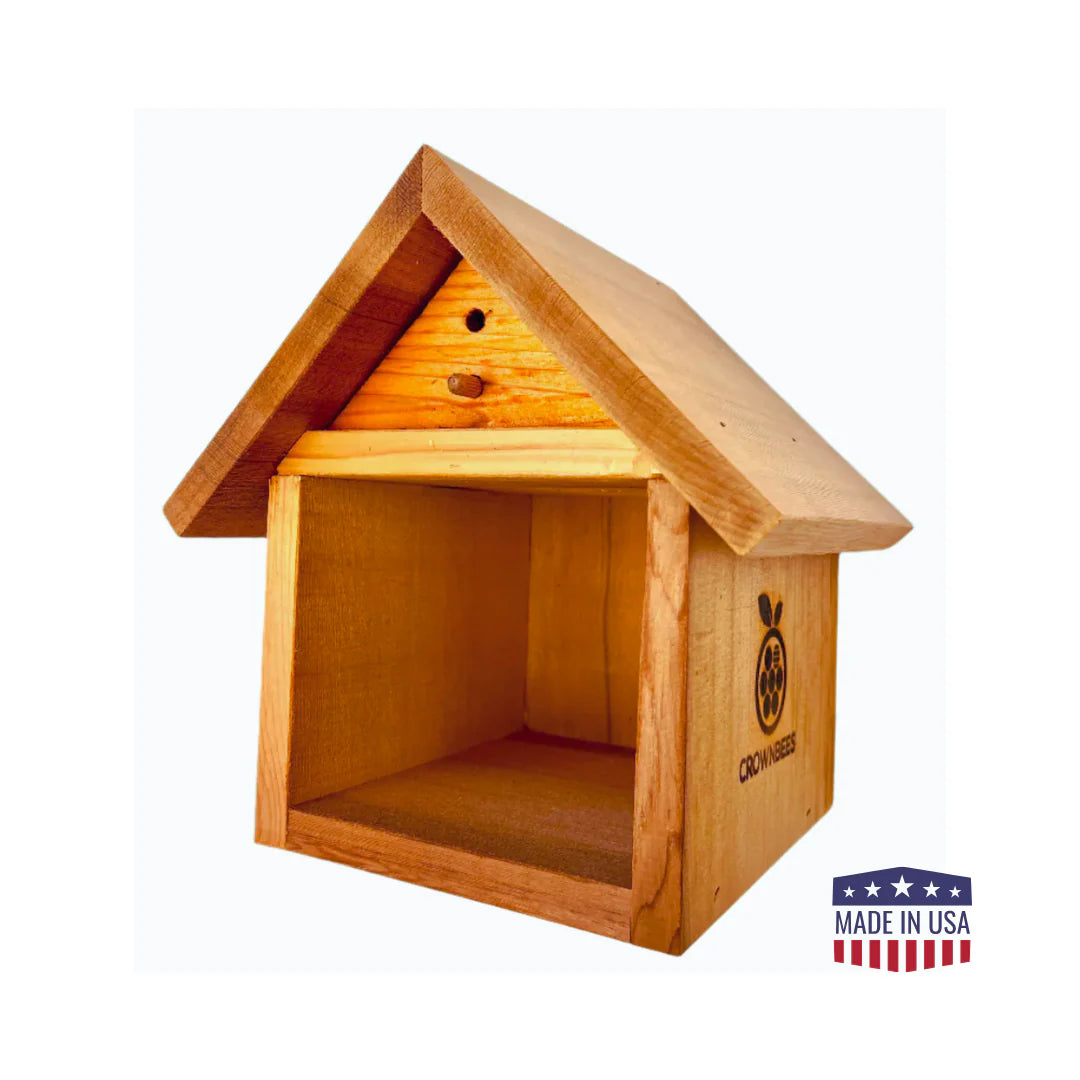
A small cedar house with a mix of reed sizes, made to share wild bees beyond the backyard in parks, trails, and community spaces.
Shop Rewild Refuge
Build-A-Bee House
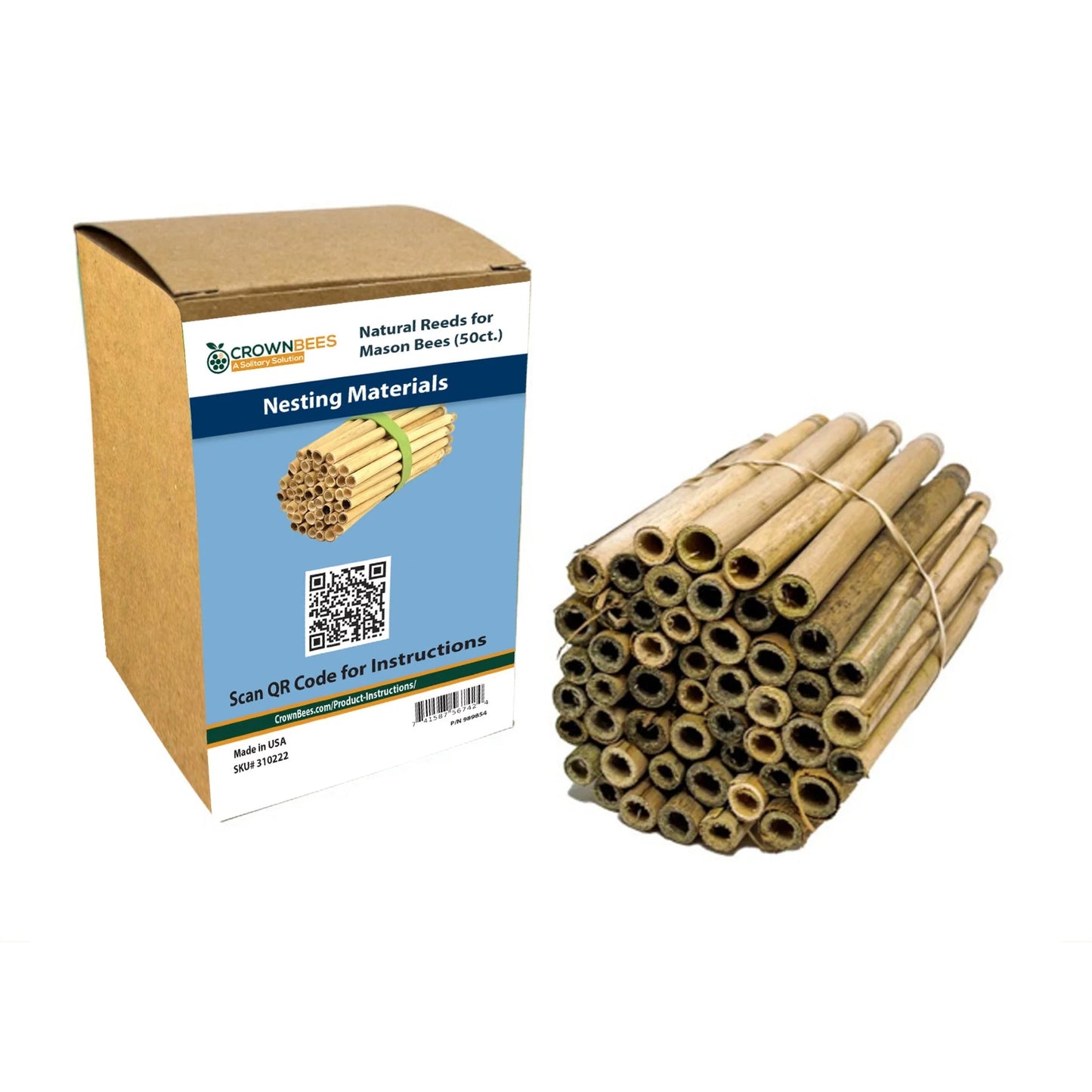
A family project: build your own cedar bee house and fill it with natural reeds sized for a variety of wild bees.
Shop Build-A-Bee
Wild Bee Adventure
Our smallest bee house, with BeeTubes and reeds from 4mm to 8mm. A simple way to see which wild bees move in.
Shop Wild Bee Adventure