


A Science-Based Approach to Healthier Mason, Summer Leaf, and Wild Bees

Developed through years of observing how Mason bees and Summer Leaf bees respond to different nesting conditions, the BeeSafe™ Standard helps gardeners provide habitat that supports bee health across seasons rather than just offering decoration.
The BeeSafe™ Standard is our science-based approach to nesting design and management for cavity-nesting bees such as Mason bees and Summer Leaf bees.
Why This Standard Exists
The BeeSafe™ Standard grew out of nearly two decades of hands-on observation and monitoring. Over time, certain design features and care practices consistently supported healthier, stronger bee populations. The BeeSafe™ Standard brings those lessons together into a clear set of guidelines for gardeners and educators.
In nature, many wild bees nest in hollow stems, beetle holes, and crevices in wood. As landscapes have changed, these natural nesting spaces have become less common. Bee houses can help replace this lost habitat, but poorly designed or unmanaged houses can also concentrate pests and disease.
Core Ideas Behind the BeeSafe™ Standard
The BeeSafe™ Standard is built on four connected ideas. Each one supports the others.
Nesting Materials
Removable, openable materials that allow for seasonal cocoon care and pest prevention.
EssentialProper Cavity Dimensions
Sized to support healthy brood development and balanced male-to-female ratios.
EssentialProtective Housing
Thoughtfully designed shelter with roof overhang and integrated cocoon hatchery space.
EssentialSeasonal Care
Routine cocoon management and periodic material replacement for long-term bee health.
EssentialBeeSafe™ Nesting Standard
Healthy cavity-nesting bees depend on nesting materials that can be removed and opened, allowing the cocoons to be cared for at the end of each season.
Seasonal Care Requires Removable BeeSafe™ Nesting Materials
Every season, clean nesting materials should be easy to remove and open. This allows cocoons to be harvested and cleaned, helping prevent the buildup of pollen mites, parasitic wasps, and other pests that can accumulate in sealed or fixed nests.
BeeSafe™ Nesting Standard materials include:
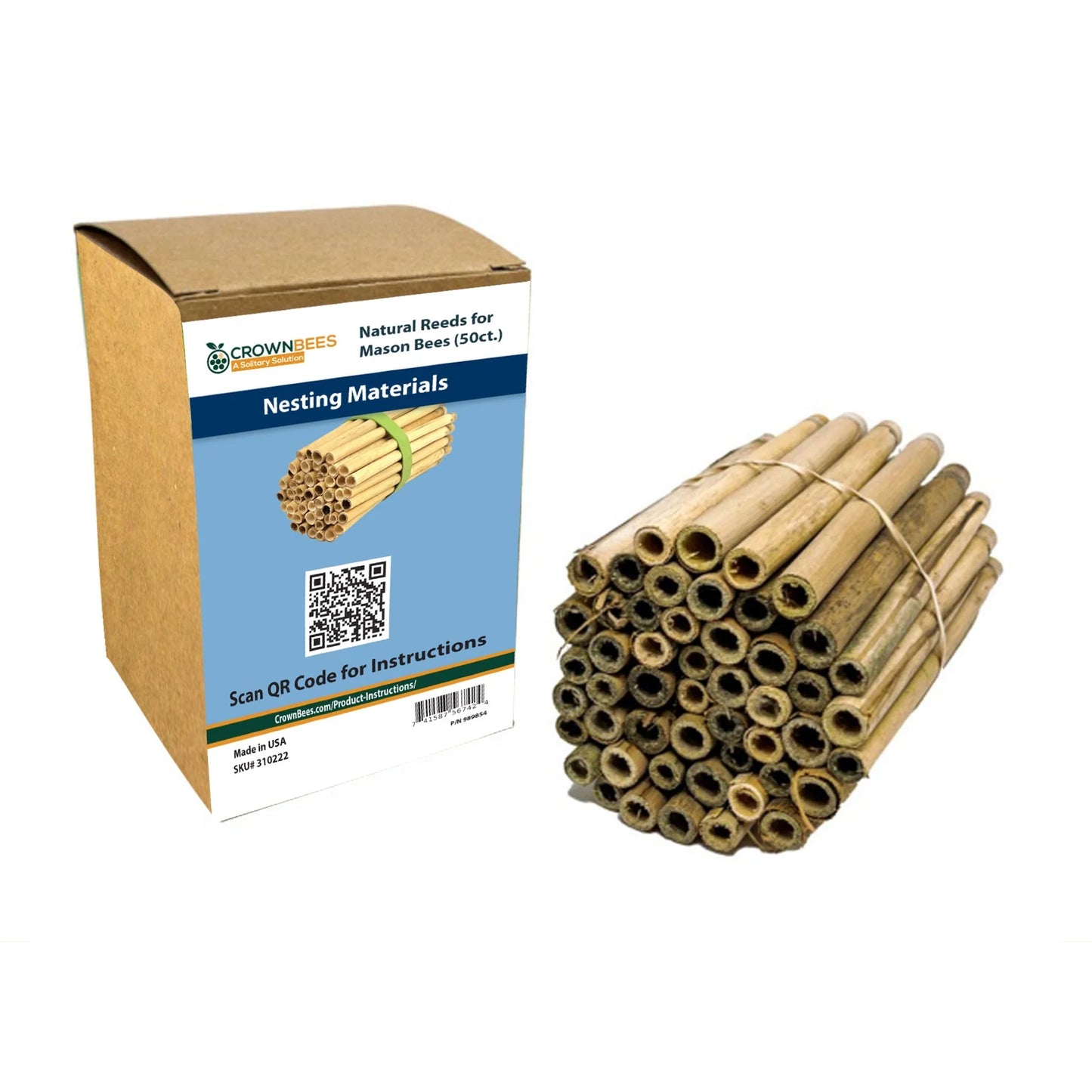
- Natural reeds that can be opened easily
- Double-walled paper tubes
- Protective-backed wood trays
The BeeSafe™ Nesting Standard helps prevent pests from entering through the sides or back of the nesting materials. All nesting tunnels are approximately 6 inches long, a length that encourages female Mason bees to lay more female eggs deeper in the cavity, supporting balanced future populations.
Materials to Avoid
Permanently glued nesting materials prevent proper seasonal care and do not meet the BeeSafe™ Standard. Solid drilled blocks, bamboo, and single-walled paper tubes cannot be opened for harvesting. Over time, these sealed cavities allow pests and disease to accumulate, leading to declining bee populations. Learn more of which materials to avoid.
Proper Cavity Dimensions for Nesting
The length and diameter of nesting cavities affect how bees develop and how many females emerge in the following season. Cavities that are too short can lead to imbalanced male-to-female ratios, which has a future effect on the population. Cavities that are too big or too small cause wild bees to look elsewhere to nest.
BeeSafe™ Nesting Standard cavities, like the ones here, are sized to support healthy brood development and balanced populations.
Protective Housing
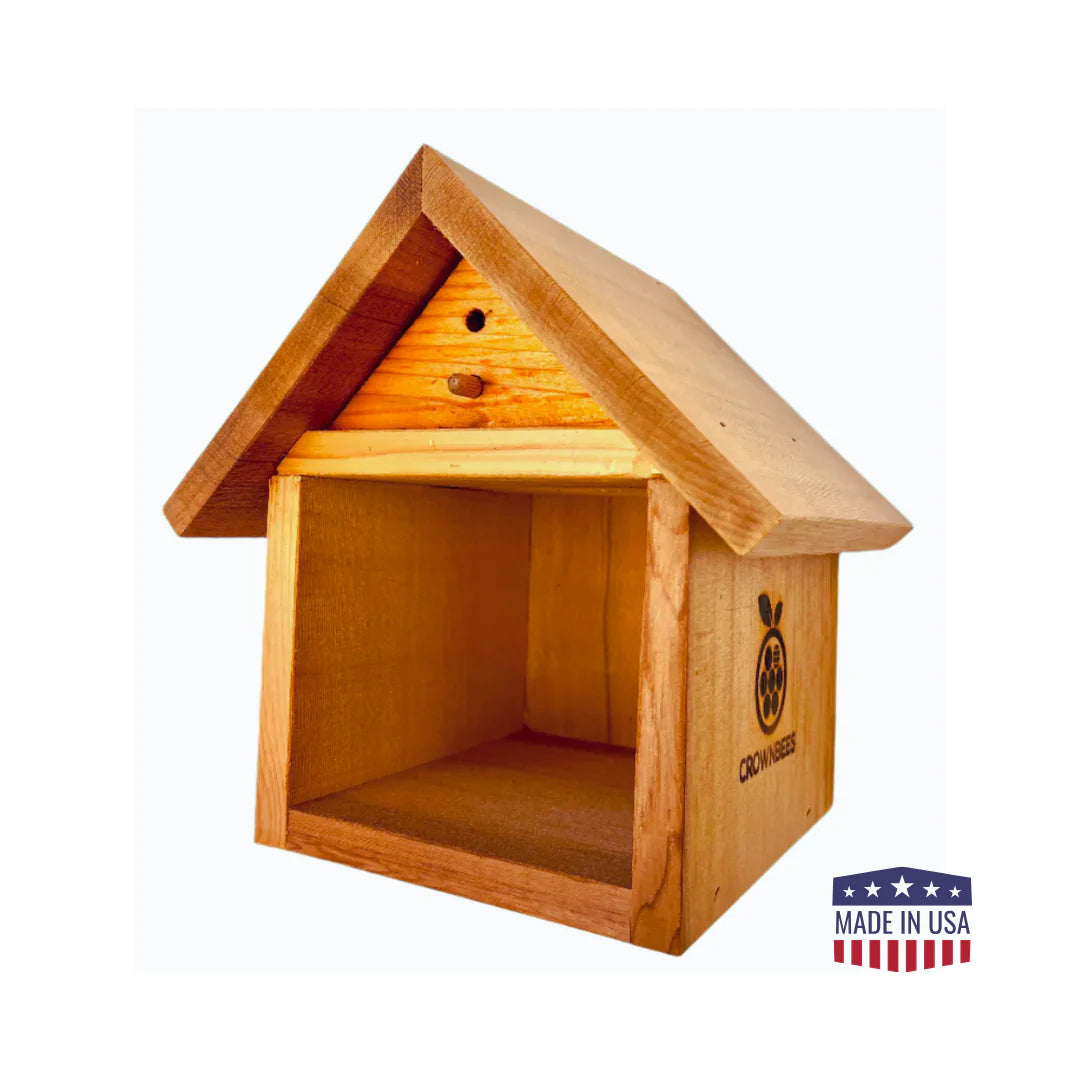
Crown Bees BeeSafe™ Standard houses are thoughtfully designed for solitary cavity-nesting bees like Mason bees and Summer Leaf bees. A key element of the BeeSafe™ Standard is that the house supports bee health and BeeSafe™ Seasonal Care by protecting the bee nursery, from egg laying through loose cocoon management.
Key Features:
- 2" roof overhang helps shield nesting material from rain and gives the adult bees a safe place to rest on windy days
- Integrated cocoon hatchery space provides a safe place for bees to emerge before beginning their nesting season
- Bird guard (optional) with 3/4" square openings helps protect resting bees from birds while allowing bees to fly through without ripping their delicate wings
Every BeeSafe™ Standard feature is intentionally included to support the bees' health.
BeeSafe™ Seasonal Care
In nature, nesting sites are temporary. Old nests break down and new cavities appear each year, helping limit the buildup of pests and disease. Bee houses, however, remain in place and can concentrate parasites if they are not maintained. BeeSafe™ Seasonal Care reflects this natural cycle by pairing managed nesting with regular seasonal care.
BeeSafe™ Seasonal Care includes routine cocoon care and periodic replacement of nesting materials as part of responsible bee stewardship. By tending nests between seasons, gardeners help support healthier bee populations and more successful reproduction year after year.
BeeSafe™ Seasonal Care includes:
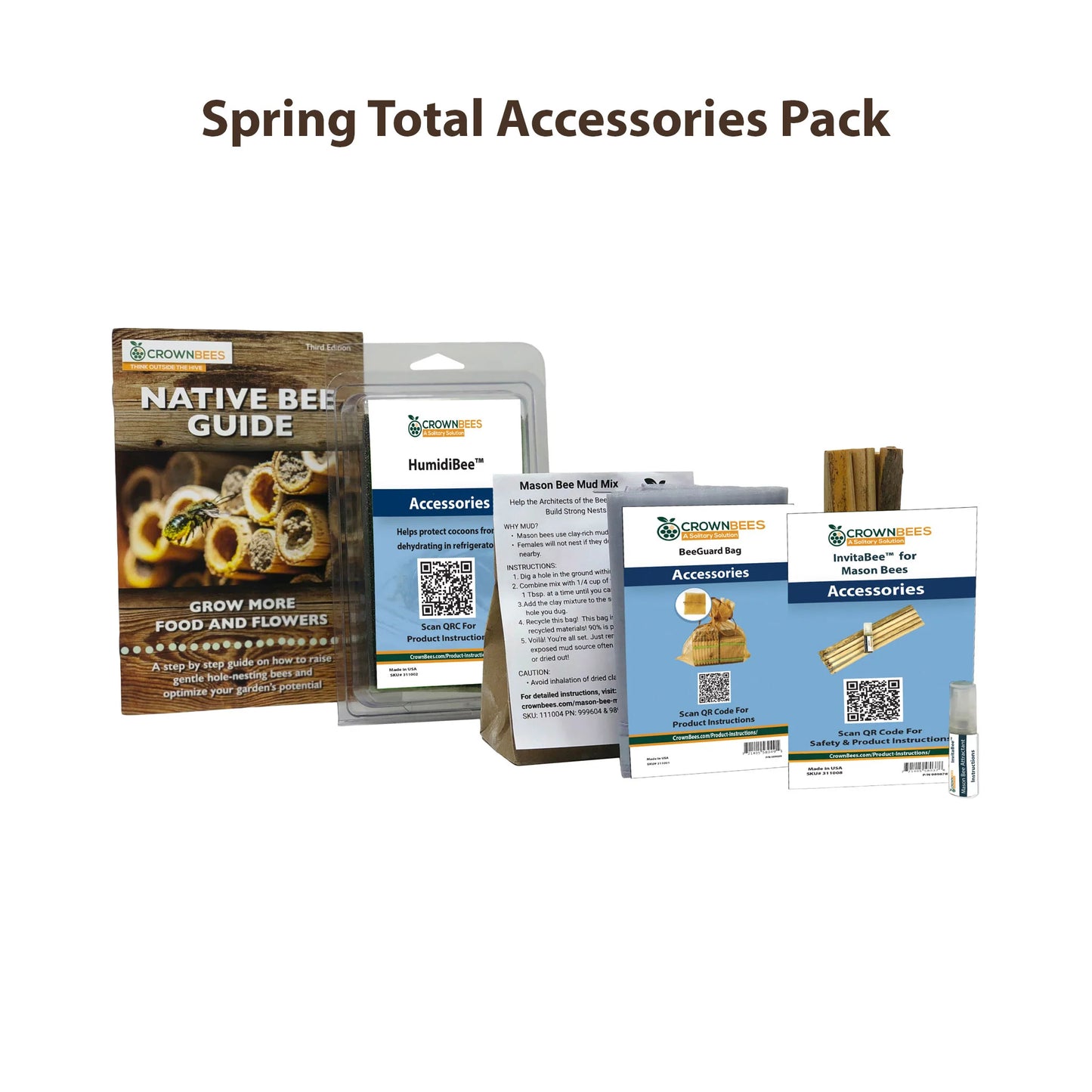
- Cocoon management: harvesting and inspecting loose cocoons at the end of the season
- Preparation: placing clean BeeSafe™ Nesting Standard materials before bees emerge
- Off-season protection: storing nesting materials properly and providing overwinter care
These practices support bees across their lifecycle and help maintain healthy, thriving populations.
The BeeSafe™ Standard Compared with Decorative Bee Hotels
Many bee houses sold today are designed primarily for appearance and low cost. While they can raise awareness, some designs make it difficult to care for bees.
| Feature | The BeeSafe™ Standard | Typical Decorative Hotels |
|---|---|---|
| Nesting materials | Removable for care | Fixed or glued in place |
| Cavity width and depth | Sized for bee biology | Often too shallow in length or too wide |
| Cocoon Hatchery | Allows for BeeSafe™ Seasonal Care of loose cocoons | No hatchery |
| Nesting material | Natural lakebed reeds, wood trays, double-walled paper tubes, closed back-ends | Bamboo, single-walled paper tubes, plastic material, open back end |
| Moisture control | Breathable nesting materials that allow excess moisture to wick away from brood chamber | Can have plastic around nesting material which can cause mold |
| Maintenance | Designed for BeeSafe™ Seasonal Care | Often unmanaged, which accumulates pests |
The goal of the BeeSafe™ Standard is not to discourage interest in bees, but to help people move from decorative housing to habitat that supports long-term bee health.
How Gardeners Use the BeeSafe™ Standard
Gardeners and educators use the BeeSafe™ Standard as a guide for choosing, placing, and maintaining bee houses.
It can help answer questions such as:
- Can the nesting materials be opened and cared for each season?
- Are cavity sizes suited to Mason bees or Summer Leaf bees?
- Where do I place cocoons for each bee season?
- Is there a plan for BeeSafe™ Seasonal Care?
- Will the house help protect the bees?
By following these guidelines, people can provide nesting spaces that help bees thrive.
The BeeSafe™ Standard as a Complete Nesting System
The BeeSafe™ Standard is often applied as a complete nesting system rather than a single object.
A BeeSafe™ Standard system may include:
- A protective bee house with cocoon hatchery
- Removable BeeSafe™ Nesting Standard materials
- Proper cavity dimensions
- BeeSafe™ Seasonal Care
- Replacement nesting materials when needed
When these elements work together, they help create nesting spaces that support healthier bee populations year after year.
A Shared Effort to Support Wild Bees
Supporting wild bees involves more than simply placing a house outdoors. It requires understanding nesting biology, seasonal timing, and ongoing care throughout the year. The BeeSafe™ Standard brings these best practices together in a clear, practical framework, helping gardeners, schools, and communities support wild bees in a thoughtful and intentional way.