



Spring Mason Bees
What Mason Bees Are & Why They’re Great Pollinators
Mason bees are one of the most effective and easy-to-support native pollinators in North America. If you’re new to Mason bees or just want a clearer understanding of how they live and why they matter, this page answers the most common questions we hear from gardeners, families, and educators.
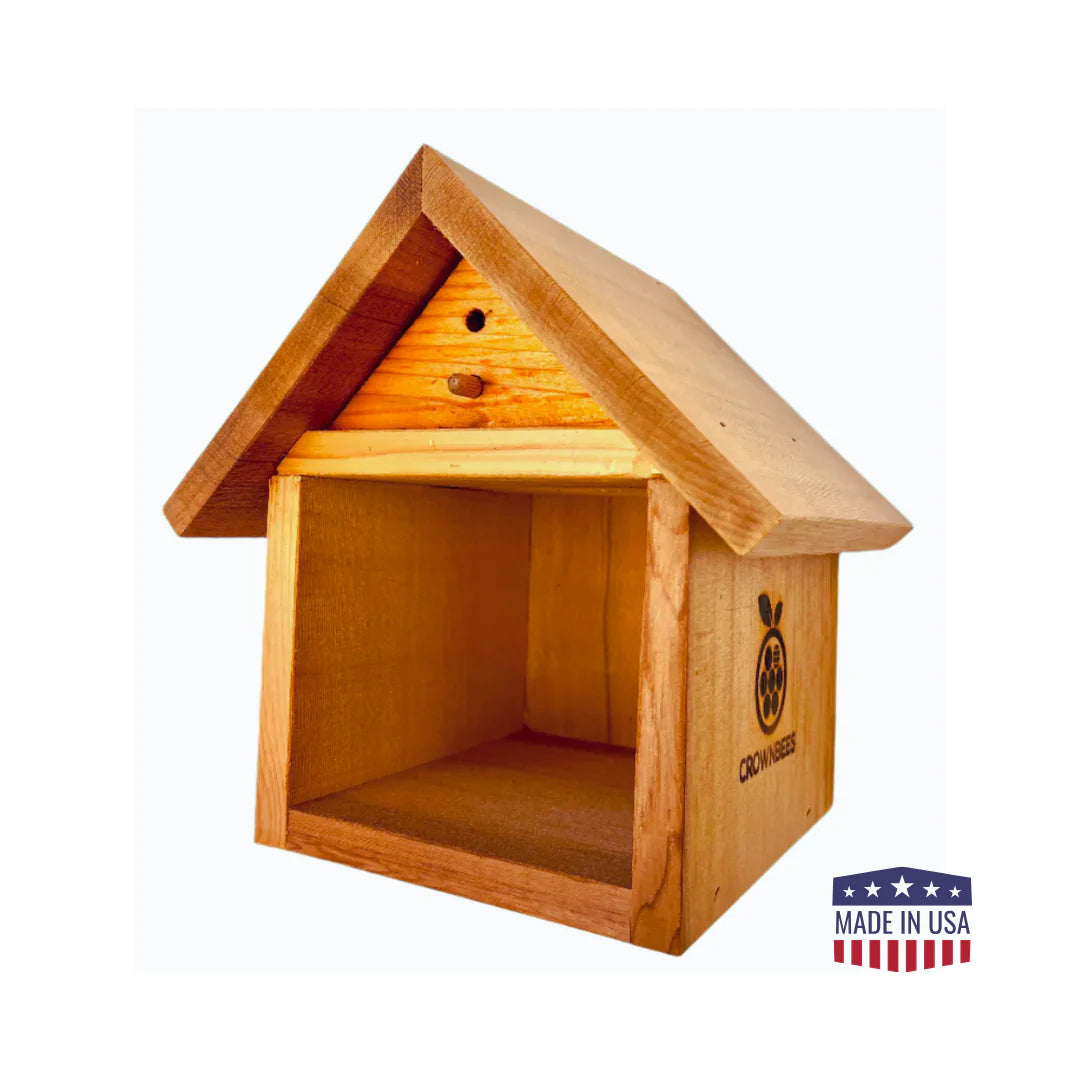
New to Mason bees? Shop the Chalet Kit for everything you need to get started.
Already have a BeeSafe™ bee house? Check here or buy Mason bee cocoons here.
Questions on this page
- What are Mason bees?
- Are Mason bees better pollinators than honey bees?
- Do Mason bees sting?
- Are Mason bees safe around kids and pets?
- What plants do Mason bees pollinate best?
- When should I buy Mason bees?
- Is it hard to raise Mason bees?
- Do Mason bees come back every year?
- Do I need to buy Mason bees every year?
- Can Mason bees damage my house?
- Are Mason bees good for small or urban gardens?
- Why buy Mason bees from Crown Bees?
Photo gallery


What are Mason bees?
Mason bees are gentle, solitary native bees known for their exceptional pollination abilities. Unlike honey bees, they do not live in hives or produce honey. Each female builds and provisions her own nest, usually in small cavities or nesting tubes.
Are Mason bees better pollinators than honey bees?
For home gardens and orchards, Mason bees are often far more efficient pollinators than honey bees. A single Mason bee can pollinate as much as 60–100 honey bees because she carries pollen loosely on her body rather than packing it into pollen baskets.
Do Mason bees sting?
Mason bees are very gentle and rarely sting. Because they do not defend a hive or colony, stings are extremely uncommon and usually only happen if a bee is accidentally squeezed or trapped.
Are Mason bees safe around kids and pets?
Yes. Mason bees are widely considered safe around children and pets. Their calm nature and lack of defensive behavior make them well-suited for family gardens, schoolyards, and shared outdoor spaces.
What plants do Mason bees pollinate best?
Mason bees are especially effective at pollinating early-blooming plants, including:
- Apples
- Cherries
- Pears
- Plums
- Blueberries
- Spring-flowering shrubs and perennials
They are active in cooler spring temperatures when many other bees are not.
When should I buy Mason bees?
Mason bees should be purchased before the early spring bloom in your region. Buying early helps ensure proper timing and availability, as Mason bees often sell out before the season begins.
Is it hard to raise Mason bees?
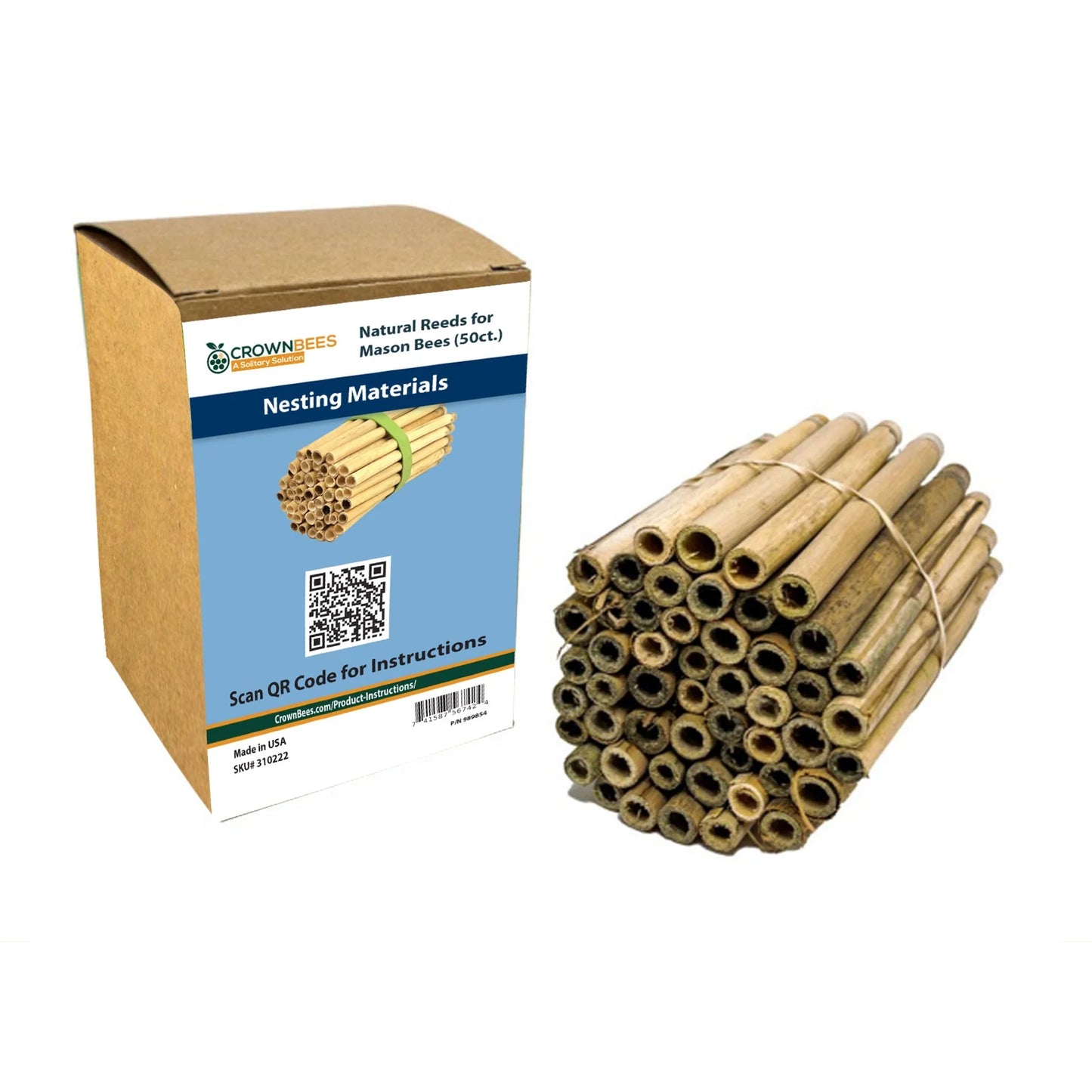
No. Mason bees are one of the easiest pollinators to raise. They require very little time, no special protective gear, and minimal ongoing maintenance when provided with proper nesting materials and basic care.
Do Mason bees come back every year?
Yes. When Mason bees are given healthy nesting materials and simple seasonal care, they can reproduce and return year after year, building a local population over time.
Do I need to buy Mason bees every year?
Not necessarily. Many gardeners develop a self-sustaining Mason bee population. Some people choose to purchase additional bees to expand their population or to replace natural losses.
Can Mason bees damage my house?
No. Mason bees do not chew wood, bore into structures, or damage siding. They only nest in existing cavities or pre-made tunnels designed for cavity-nesting bees.
Are Mason bees good for small or urban gardens?
Yes. Mason bees thrive in small spaces and are well-suited for urban, suburban, and backyard gardens. Even a single bee house can support meaningful pollination in a compact area.
Why buy Mason bees from Crown Bees?
Crown Bees provides Orchard Bee Association (OBA) certified region-specific Mason bees, responsibly designed nesting systems, and expert educational support. Our approach is rooted in bee health, long-term success, and helping people build thriving pollinator habitats they can care for with confidence.
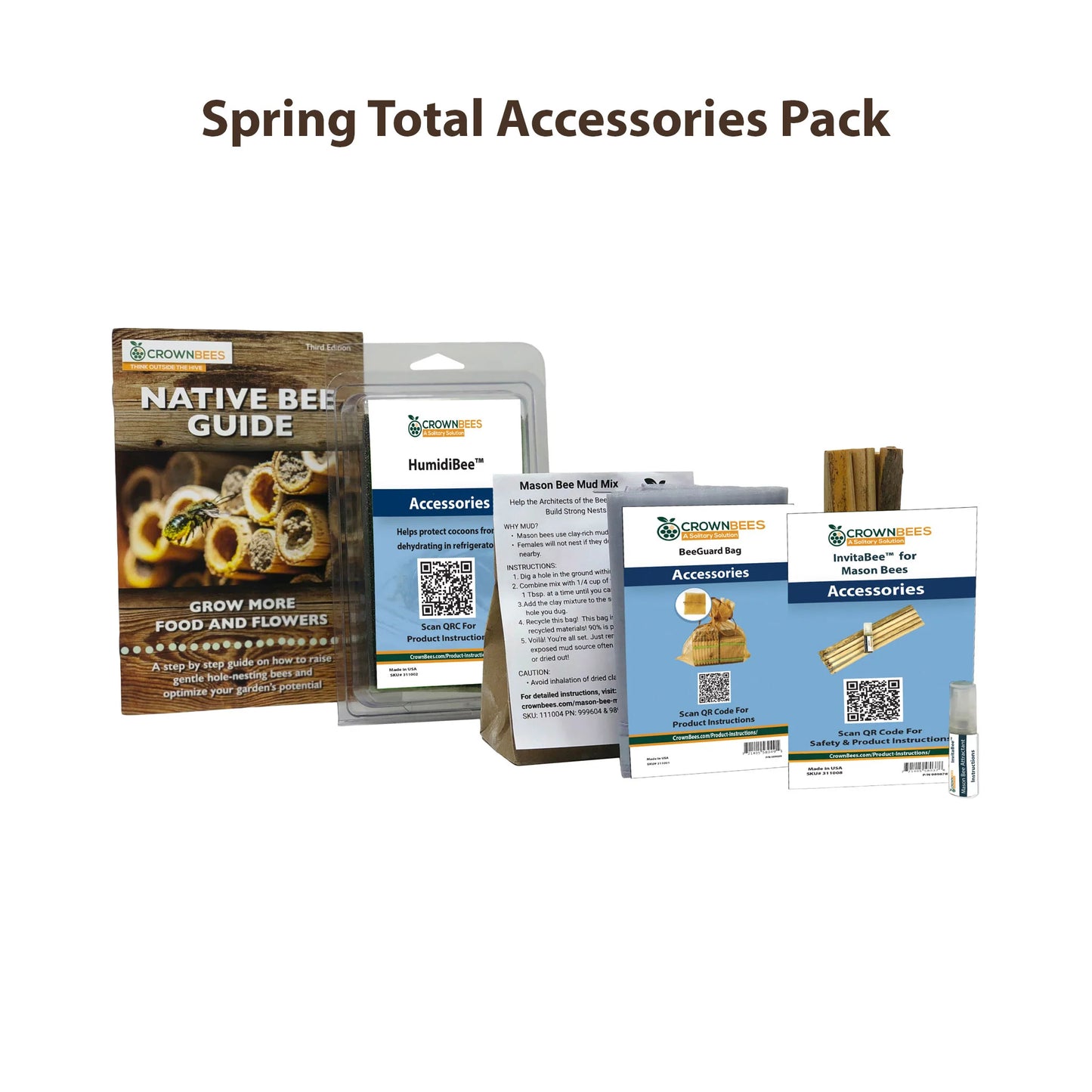
Want step-by-step Mason bee care?
If you’d like a simple walkthrough for setup and seasonal care, start here: