



Your Summer Garden's Best Friend
Leafcutter Bee FAQs
If your summer garden is full of squash, melons, peppers, beans, and tomatoes, Leafcutter bees are the pollinators you want working alongside you. Leafcutter bees are gentle, solitary cavity-nesting bees. These fantastic pollinators are so fun to watch. Whether you're new to Leafcutter bees or just want to know how they live, this page is for you.
Questions on this page
- What are Leafcutter bees?
- Are Leafcutter bees better pollinators than honey bees?
- Do Leafcutter bees sting?
- Are Leafcutter bees safe around kids and pets?
- Is it hard to raise Leafcutter bees?
- What temperatures do Leafcutter bees prefer?
- What plants do Leafcutter bees pollinate best?
- How many leaves do Leafcutter bees use?
- When should I buy Leafcutter bees?
- Do Leafcutter bees come back every year?
- Do I need to buy Leafcutter bees every year?
- Can Leafcutter bees damage my house?
- Are Leafcutter bees good for small or urban gardens?
- Why buy Leafcutter bees from Crown Bees?
Photo gallery


What are Leafcutter bees?
Leafcutter bees are gentle, solitary cavity-nesting bees active during warm summer months. They do best with consistent daytime temperatures of at least 75°F / 24°C. Unlike honey bees, each Leafcutter bee female builds and cares for her own nest.
Fun fact: They get their name from the neat little circles they cut from soft leaves and flower petals to build chambers for their babies.
Are Leafcutter bees better pollinators than honey bees?
For certain crops, absolutely! Leafcutter bees are extremely efficient pollinators because they carry pollen on the undersides of their fuzzy abdomens rather than tightly packing into pollen baskets, like honey bees. As female Leafcutter bees move from flower to flower, more pollen naturally brushes onto blooms where plants need it most. They are valuable pollinators for beans, peas, melons, carrots, and alfalfa.
Do Leafcutter bees sting?
Leafcutter bees rarely sting. They are gentle, timid bees that don't have to defend a nest like honey bees or wasps. They don't produce honey, so they have nothing to protect. Stings are rare and happen only if a female bee is squeezed or trapped. Most people raising them never experience a sting.
Are Leafcutter bees safe around kids and pets?
Yes! Leafcutter bees are considered one of the gentlest managed bees. As solitary bees, they are generally timid around children and pets. This makes them great for family gardens and shared outdoor spaces. It's fun to watch them carry pollen and tiny leaf pieces back to their nests all summer long.
Is it hard to raise Leafcutter bees?
Not at all. Leafcutter bees are one of the easiest pollinators to raise. They require little time and no special protective gear to wear. They are low-maintenance pollinators that fit beautifully into backyard gardens, schools, and urban spaces.
What temperatures do Leafcutter bees prefer?
Leafcutter bees love warm weather. They are most active when daytime temperatures are above 75°F/24°C. That's when summer blooms like clover, wildflowers, and garden vegetables are opening.
This is also why Leafcutter bees and Mason bees pair so well across the spring and summer. Mason bees fly in cool spring weather (55°F). By the time temperatures climb into the 70s, Mason bees are finishing their spring season, and Leafcutter bees are just getting started in summer.
What plants do Leafcutter bees pollinate best?
Leafcutter bees are excellent pollinators for many summer crops and flowers, including beans, peas, melons, cucumbers, carrots, berries, herbs, sunflowers, and wildflowers.
They thrive in warm summer temperatures when many spring bees have finished their pollination season.
Learn which flowers and crops Leafcutter bees prefer Shop seeds and flowering lawn
How many leaves do Leafcutter bees use?
Each female Leafcutter bee uses about one leaf per nesting hole. She cuts it into small circular pieces to line the cells where she lays her eggs. The cuts look like neat, coin-shaped notches along the edges. Worried about a prized rose? The tiny circular cuts usually do not harm healthy plants and are often considered a charming sign that Leafcutter bees are active nearby.
When should I buy Leafcutter bees?
Anytime! Leafcutter bee cocoons ship on Mondays from April (for warm southern states) and May through August. Crown Bees ships pre-incubated cocoons. These are bees that have completed the development into adults and are ready to emerge and fly!
Buy Leafcutter bees Learn how to choose your ship date Learn how to incubate Leafcutter bee cocoons
Do Leafcutter bees come back every year?
Yes. When Leafcutter bees are given BeeSafe™ nesting materials and simple seasonal care, they create the next generation inside protected leaf-wrapped chambers. Those developing bees overwinter inside cocoons, develop over the spring into adult bees, and emerge in the summer.
Do I need to buy Leafcutter bees every year?
Not necessarily. Many bee raisers establish a self-sustaining Leafcutter bee population by harvesting and incubating their own cocoons each year. However, weather, predators, parasites, pesticides, and habitat conditions can all affect survival.
Buy Leafcutter bees Learn how to incubate your Leafcutter bee cocoons
Can Leafcutter bees damage my house?
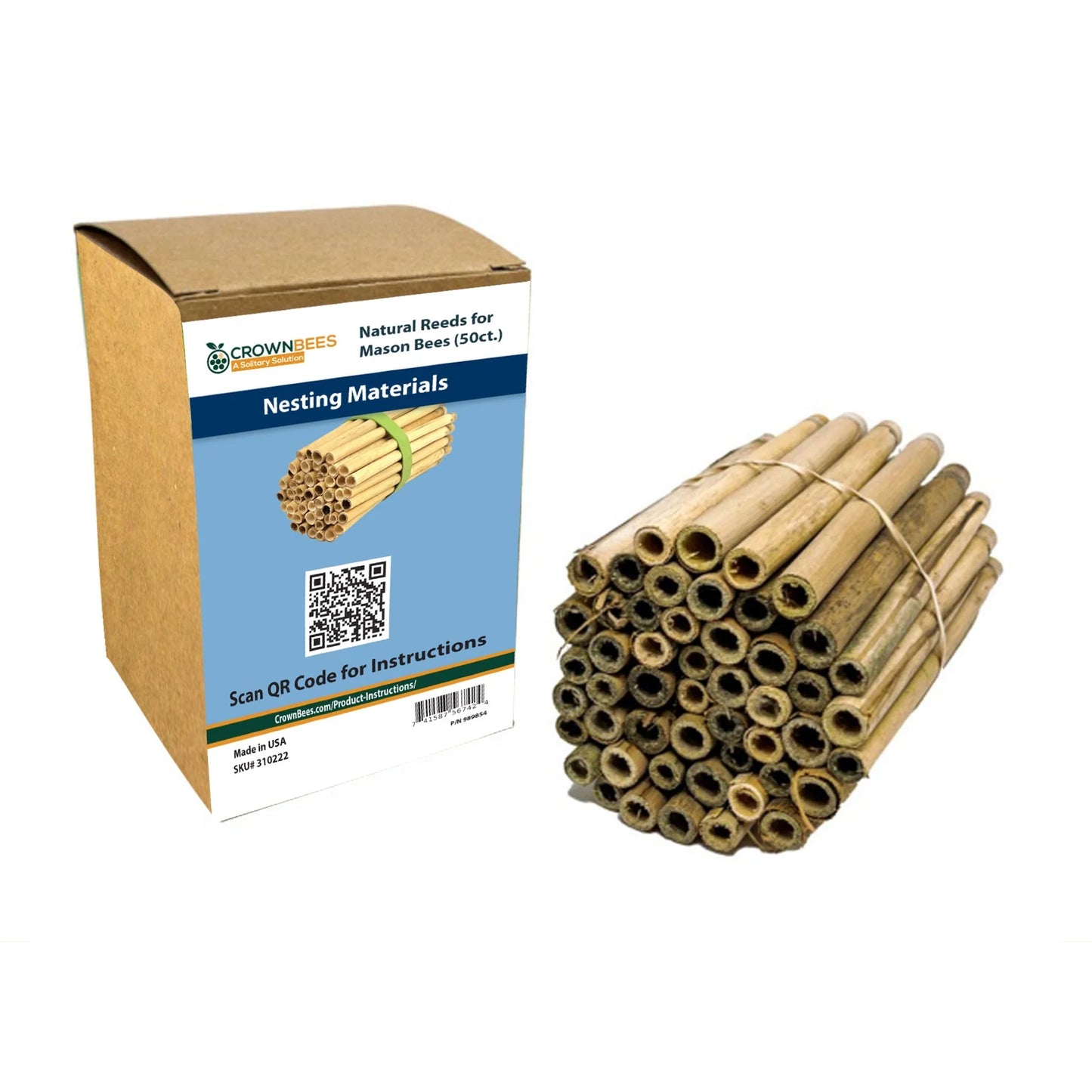
No. Leafcutter bees don't chew wood or tunnel into structures like carpenter bees. They use existing 6mm holes in nesting tubes provided in bee houses.
Are Leafcutter bees good for small or urban gardens?
Yes. Leafcutter bees thrive in small spaces and adapt to raised beds and backyard gardens. Even a single bee house can support pollination in a compact area.
Why buy Leafcutter bees from Crown Bees?
Crown Bees specializes in solitary cavity-nesting bees and provides support to help you successfully raise healthy bees. Our nesting systems are designed for bee health and expert educational support. Our approach is rooted in long-term success and helping people build thriving pollinator habitats.
Explore Crown Bees' Programs Meet the Friends and Partners of Crown Bees
Want step-by-step Leafcutter bee care?
For simple setup walkthroughs and seasonal care, start here:
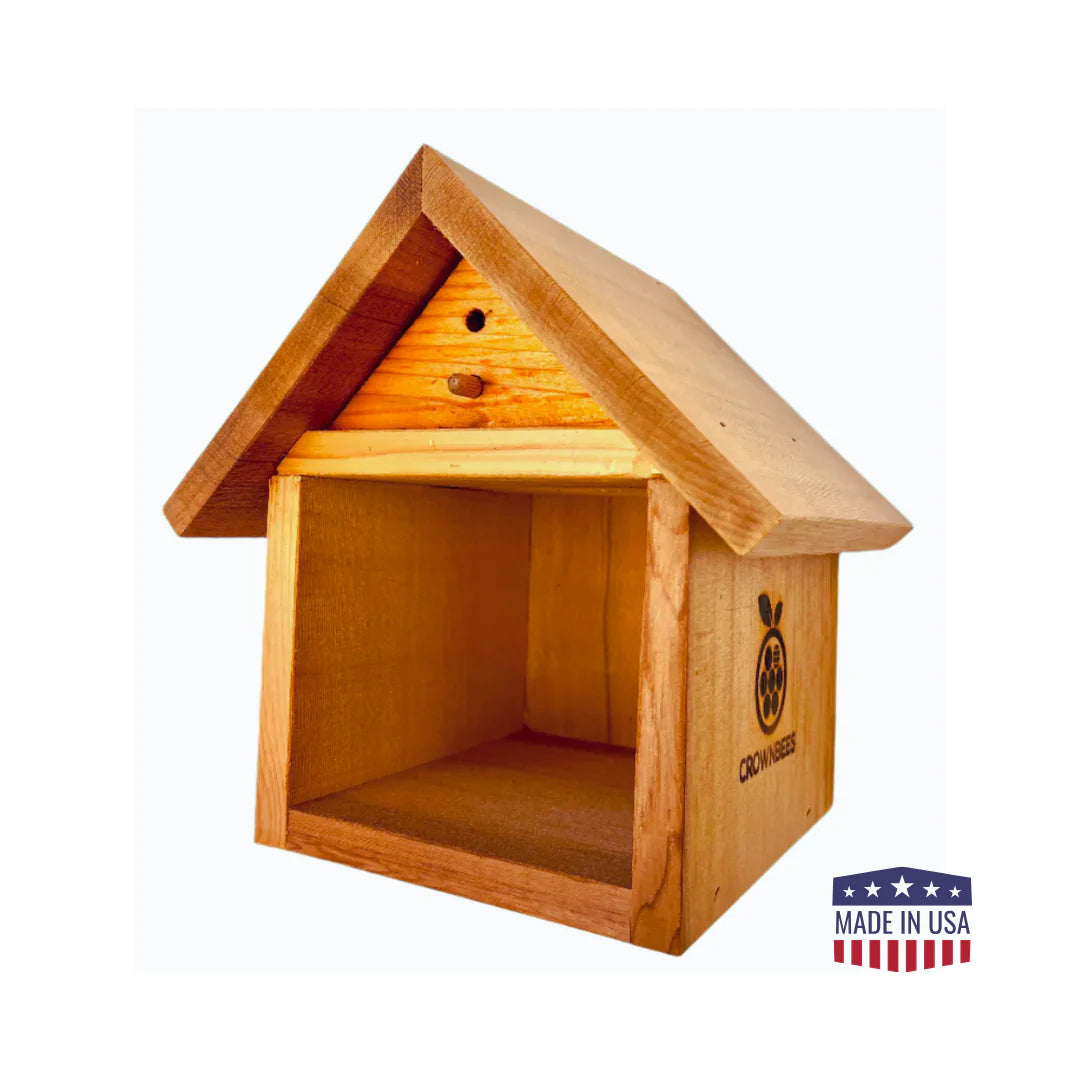
Sign up for BeeMail Caring for Leafcutter bees How to Set Up Your Bee House