



Native Plants for Pollinators
The short answer: plant a diversity of region-native flowers that bloom from early spring through fall, so bees and other native pollinators always have food.
Want the deeper “why” plus practical steps? Use this page as your quick guide for planning, removing invasives, choosing plants, and finding trustworthy regional resources.
Why native plants matter
Native plants evolved over hundreds or thousands of years in specific regions and ecosystems. In the U.S., “native” generally refers to plants present before European settlement.
Key benefits
- Better nutrition for wildlife: native plants provide nectar, pollen, and seeds that many native insects, birds, and animals rely on.
- Less water and inputs: natives are adapted to local conditions, often requiring less irrigation and fertilizer once established.
- Fewer chemicals: many natives are more resilient to pests and disease, reducing the need for pesticide treatments.
- Four-season beauty: spring blooms, summer abundance, fall color, and winter structure.
Unfortunately, native plant species are disappearing in many areas due to land degradation, chemical use, and replacement with non-native ornamentals. If you want more context on how non-native plant swaps can ripple through ecosystems, this is a helpful read: How non-native plants contribute to insect decline.



1. Lawn or garden assessment
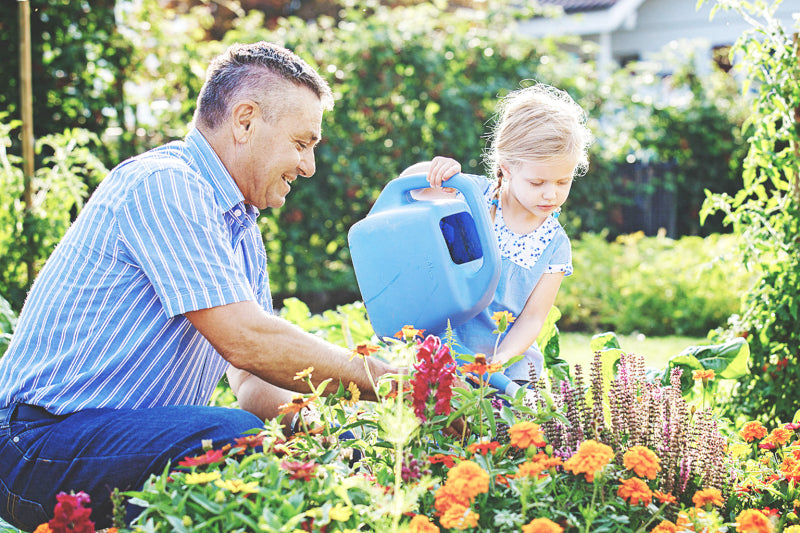
Before you buy plants, do a quick site check. The goal is “right plant, right place.” Look at sun and shade, soil type, drainage, irrigation, and what is already growing. You do not need a complicated process. Even a simple assessment makes plant choices easier and more successful.
Pro tip: For step-by-step activities (and kid-friendly mini ecology lessons), this guide from Cornell is excellent: Site Assessment for Better Gardens and Landscapes (PDF) .
2. Identify and remove invasive non-native species
You do not have to remove every non-native plant at once. But invasive species should be removed as soon as you spot them. Invasives can outcompete native plants and reshape local habitat.
Two reliable resources for identifying invasives in your region are National Invasive Species Information Center and Center for Invasive Species and Ecosystem Health.
If you find an invasive, you can often pull or dig it out. Remove as much of the root system as possible, since even small fragments can regrow. If it keeps returning, you may need a more persistent control plan.
3. How to choose plants
Now for the fun part. Choose a mix of flowering plants (plus grasses, shrubs, and trees if you have space) so your garden provides pollen and nectar throughout the season.
Use your site assessment and prioritize plants native to your ecoregion. These resources help you match plants to your region:
- Pollinator Partnership: Native Pollinator Garden Recipe Cards and Ecoregional Planting Guides
- Native Plant Society (state-by-state options often listed through USDA directories and local chapters)
- Native Plant Trust classes
- Xerces Society: Pollinator-friendly native plant lists
- National Wildlife Federation: Native Plant Finder (zip code search)
- The Ecological Gardener (book)
Pro tip for pet owners: Before planting, check if any plants are toxic to pets: ASPCA toxic and non-toxic plant database .
4. Where to find native plants
Finding true native plants can be tricky. Many garden centers are retail outlets, not growers. If possible, look for nurseries that propagate and grow their own stock. And please do not take native plants from the wild.
When you shop, ask these questions
- Where were the plants grown? Locally, or shipped in from somewhere else?
- Have they been treated with pesticides, especially neonicotinoids?
- Are they true natives, or cultivars and hybrids?
- If buying woodland wildflowers or ferns, were they nursery-propagated?
Quick hybrid tip: Hybrids often show up as a scientific name plus a cultivar in single quotes, like Echinacea purpurea ‘Avalanche’.
Simple next steps
- Pick 3 to 5 native flowers that bloom in different parts of the season (spring, summer, fall).
- Start small with one bed or corner and expand as you learn what thrives in your yard.
- Remove invasives first so native plants can establish without constant competition.
- Ask for locally grown natives at your nursery. Supply grows when gardeners keep requesting it.
Once you start experimenting with native plants, you will often find benefits beyond pollinators, including lower long-term maintenance and healthier habitat. The big win is building gardens filled with genetically diverse plants that support local wildlife.