



The Mason Bee Raiser's Seasonal Calendar
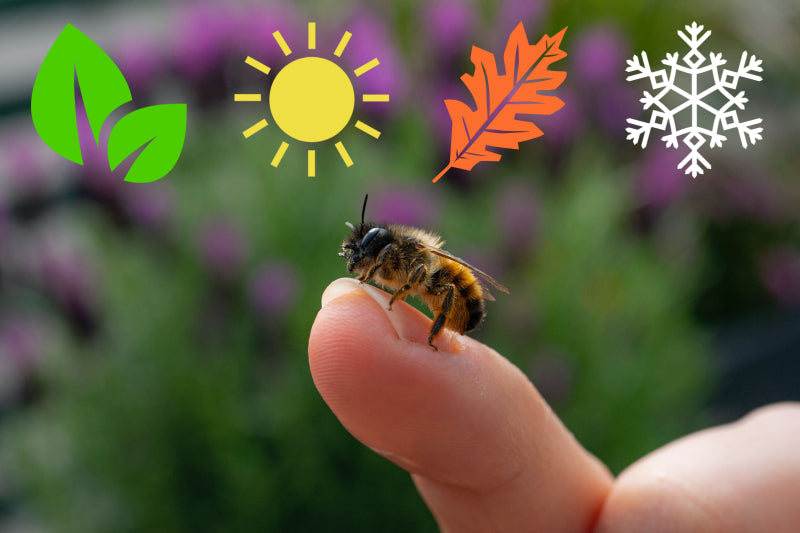
Mason bees hibernate as adults and are ready to emerge once daily spring temperatures are a consistent 55°F/13°C or above. Since climate varies widely across North America, this calendar breaks down Mason bee raising tasks by season (and temperature) to ensure this guide is helpful no matter where you live.
And don't worry about remembering or searching for this information throughout the year. Each month, we thoughtfully craft BeeMail with seasonal reminders and tips to help you along the way. Click here to sign up now.
Late Winter, Early Spring
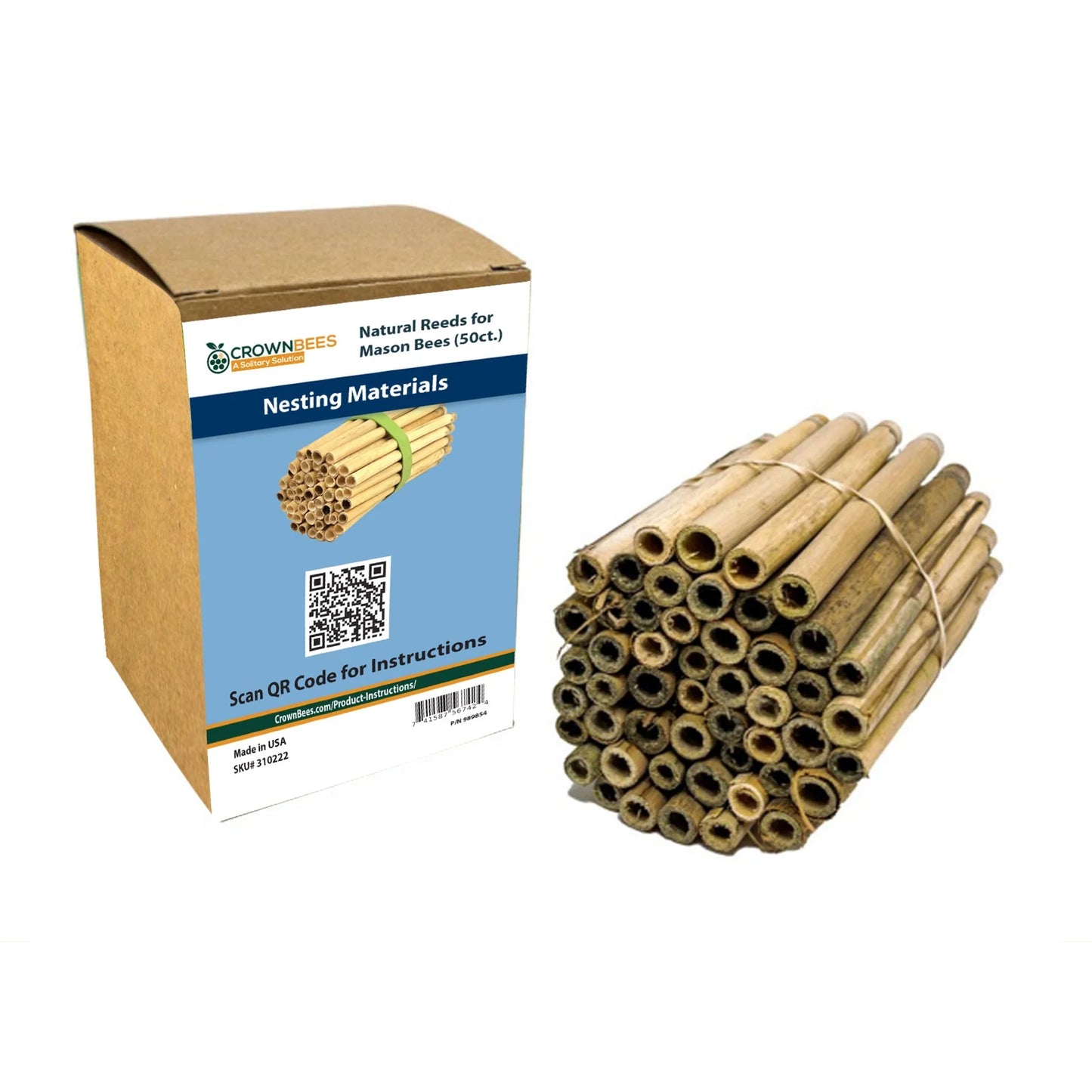
Inspect and take inventory of your 8 mm nesting holes. You should have about one nesting hole per Mason bee cocoon. If you raised bees last season, your cocoons should be safely stored in the refrigerator or unheated garage. If you are new to bee raising, check out our Picking Your Mason Bee Ship Date guide to learn the best time to order Mason bees.
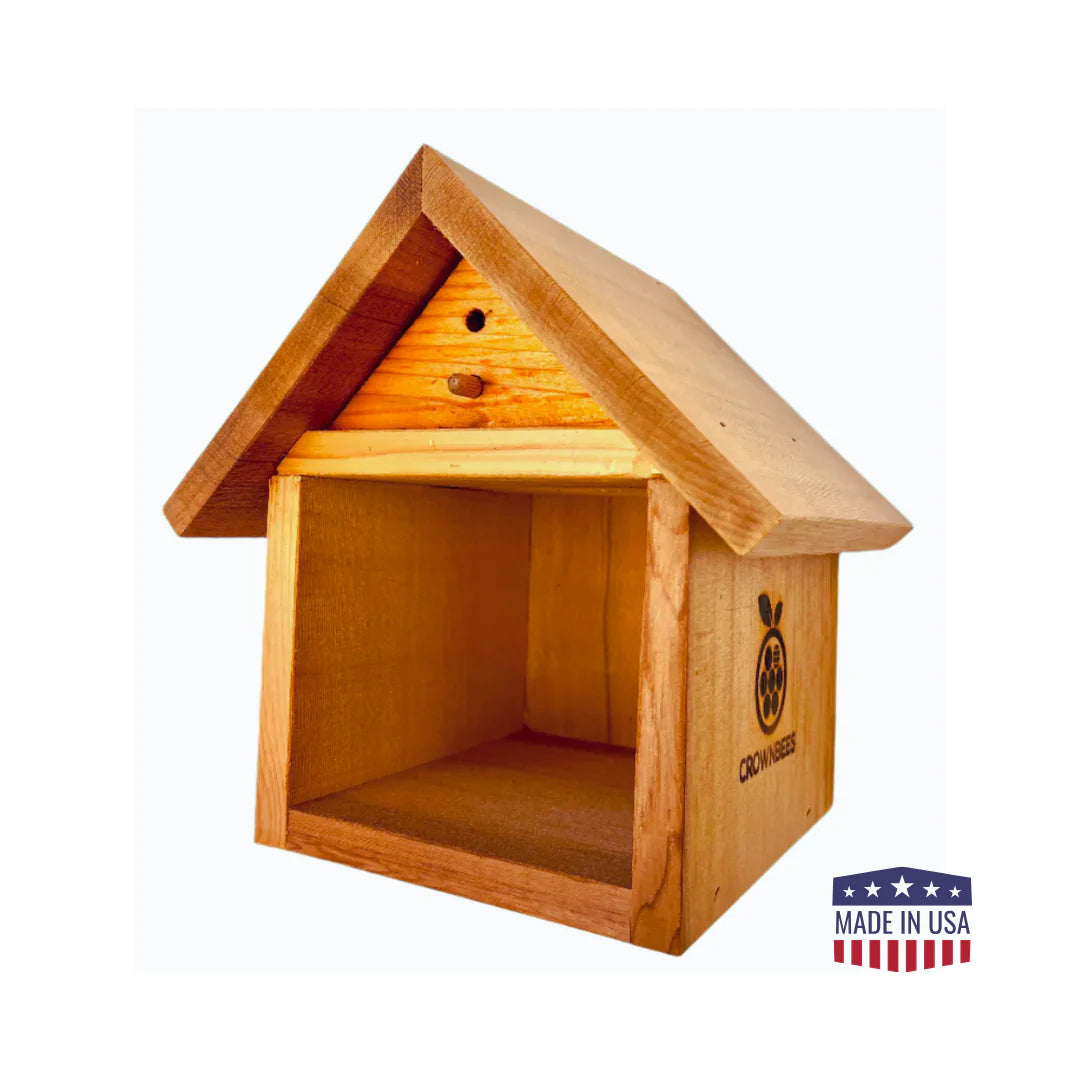
If you want to paint your bee house, do it now so it has time to cure before the bees move in.
Spring
When blossoms are open and daily temps reach a consistent 55°F/13°C (nighttime temps don't matter), it's time to release your Mason bee cocoons. Place cocoons in a small open container or cocoon hatchery to protect them from sun, wind, rain, and predators. Bee patient. Depending on the weather, it can take up to three weeks for bees to emerge, but they are a lot of fun to watch once they do. You can extend your bee season by releasing your cocoons in stages. Just make sure you release all your Mason bee cocoons by early May.
A cocoon hatchery protects your cocoons from sun, wind, rain, and predators as bees emerge.
Shop Cocoon HatcheryMany species of Mason bees will not nest if they do not have a clay-rich mud source nearby. Read the Importance of Mud to learn how to test your soil's clay content. If you don't have a natural clay-rich source in your yard or garden, you can add our Mason Bee Mud Mix.
Mason Bee Mud Mix gives your bees the clay-rich mud they need to cap their nesting cells.
Shop Mud MixLate Spring, Early Summer
Once Mason bee activity stops, which can be as late as July depending on where you live, it's time to place the developing bees in a protected area. Gently remove the nesting materials from the bee house and store them in a BeeGuard Bag or another tightly woven yet breathable mesh bag, with the mud-capped end facing up. The bag protects developing bees from pests and parasites.
The summer heat is essential for bee development, so make sure you store the bag in a dry area with natural outdoor temperatures.
The BeeGuard Bag protects developing bees from pests and parasites while letting summer heat through.
Shop BeeGuard BagFall
Harvest and store cocoons until next spring. Harvesting Mason bee cocoons is the best way to ensure bee health because it helps prevent disease and reduces pests. Typically, you'll want to harvest in October or November.
We know this can be a little intimidating for first-timers, so we've created a simple guide with video tutorials to help you along the way. You'll learn the importance of harvesting cocoons, the best harvesting practices for our three different types of nesting materials (natural reeds, wood trays, and cardboard tubes), and how to clean and store your Mason bee cocoons for healthy spring bees.
Late Fall, Winter, Early Spring
After harvesting, you should store Mason bee cocoons in your refrigerator until the following spring. The consistent cold temperatures of your fridge help the Mason bees conserve their fat stores over the winter.
We recommend setting your fridge temperature to between 34°F and 38°F (1°C to 3°C). Modern frost-free refrigerators have reduced moisture levels, so after a few weeks in the fridge your cocoons may begin to dry out. To prevent dehydration, we've developed the HumidiBee Cocoon Humidifier. Add about a tablespoon of water once a month to keep cocoons hydrated.
HumidiBee keeps cocoons hydrated through the dry winter months in your refrigerator.
Shop HumidiBeeSharing the fridge with cheese and other foods can sometimes cause Mason bee cocoons to become moldy. If you notice excessive mold growth (a little is OK) in your HumidiBee or on Mason bee cocoons during winter storage, you can re-wash cocoons in cool water, pat dry, and spritz with Clean Bee™ to treat mold growth. Rinse the HumidiBee pads in warm, soapy water, let dry, then evenly spritz Clean Bee™ on both sides of the HumidiBee pads and Mason bee cocoons.
Pro tip: If mold is a persistent problem, place the HumidiBee container into a paper bag and close the top. Mold spores have a harder time penetrating the paper.
Clean Bee™ treats mold growth on cocoons and HumidiBee pads during winter storage.
Shop Clean Bee