



Bee Buddies Pollinator Program
The Bee Buddies Program is a K–12 learning experience that turns pollination into something students can see, touch, and care for. Using gentle Mason bees, students observe the life cycle and see how these pollinators work within a pollination garden.
Open to public and private schools. Each year we can award only a limited number of Bee Buddies kits, 200 sites nationwide this season. So we place them where a single kit reaches the greatest number of students. On a school campus, one bee house becomes a shared learning station across multiple classrooms, several grade levels, and a new group of students every spring.
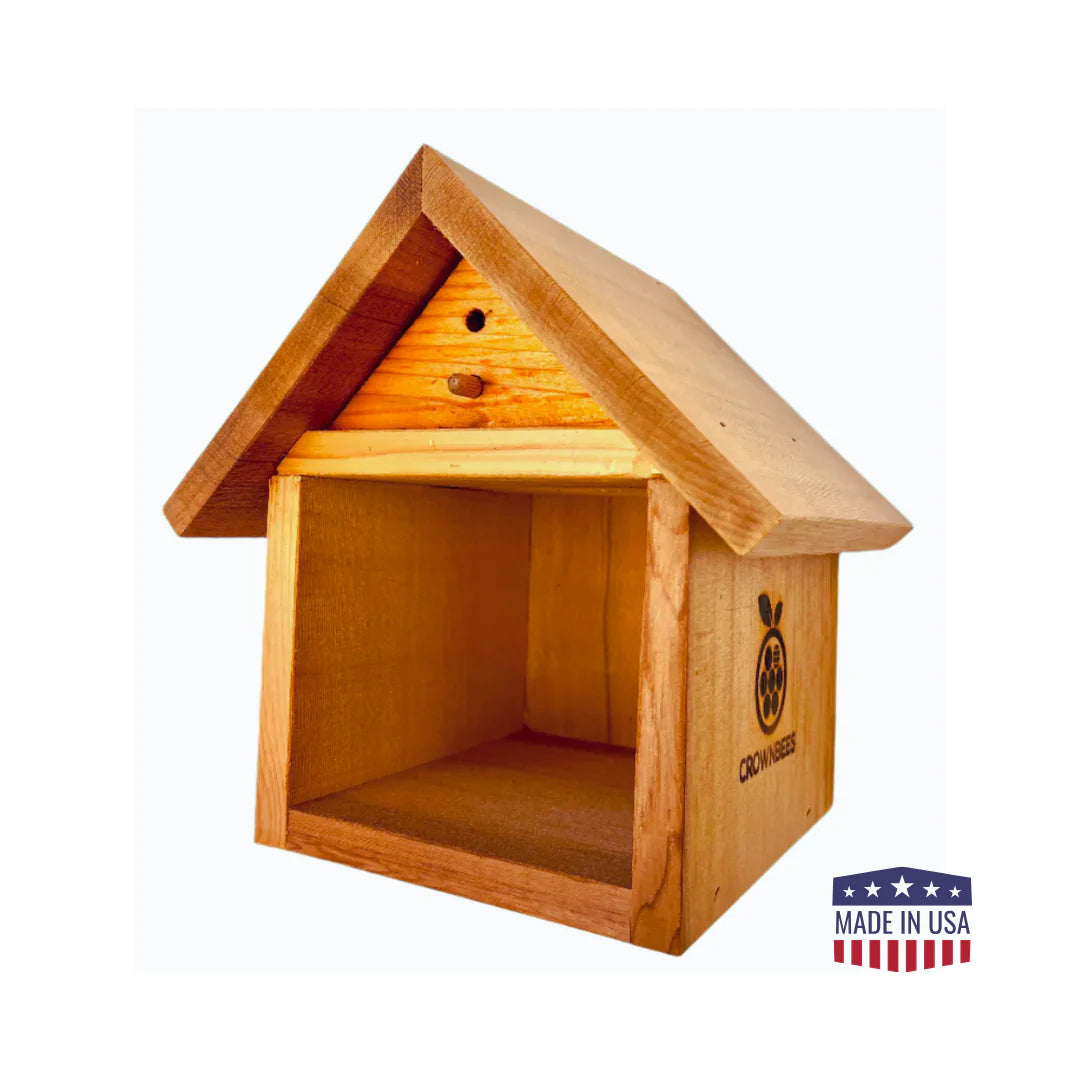
Each accepted classroom receives a FREE Bee Buddies starter kit, with Mason bee cocoons, a Bee Buddies Mason bee house built just for this program, reusable wood nesting trays, and an easy-to-use clay-mud mix. Everything is designed to be easy to manage and classroom friendly. The program is flexible enough to fit into school schedules. These mason bees are simple and easy to keep, with no beekeeping experience required.
Through the seasons, students connect to growing food, sharing harvests, and caring for the living world just outside the classroom door. The result? Curiosity takes off, stewardship grows, and science becomes something students don’t just learn about; they participate in!
Note: Open nationwide to schools (excluding Hawaii and Alaska). One kit per site, 200 sites total.
-
Low lift for educators
Designed for short learning blocks and flexible schedules. -
Real science, right outside
Students build, observe, record, and reflect. No lab needed. -
Safe and school-friendly
Mason bees are solitary, gentle, and rarely sting.
The application is hosted by Planet Bee Foundation.
K–12 classrooms
Works for a wide range of grades and learning styles, from simple observation to data tracking and design challenges.
15–30 minutes
Short learning blocks for setup, release day, and observation walks during the active season.
Spring learning
Students watch the Mason bee nesting begin, pollination happen, and change unfold in real time.
What Your Classroom Receives
Each accepted classroom receives an easy-to-manage starter kit.
- Bee Buddies Mason bee house, designed just for this program
- Starter set of Mason bee cocoons
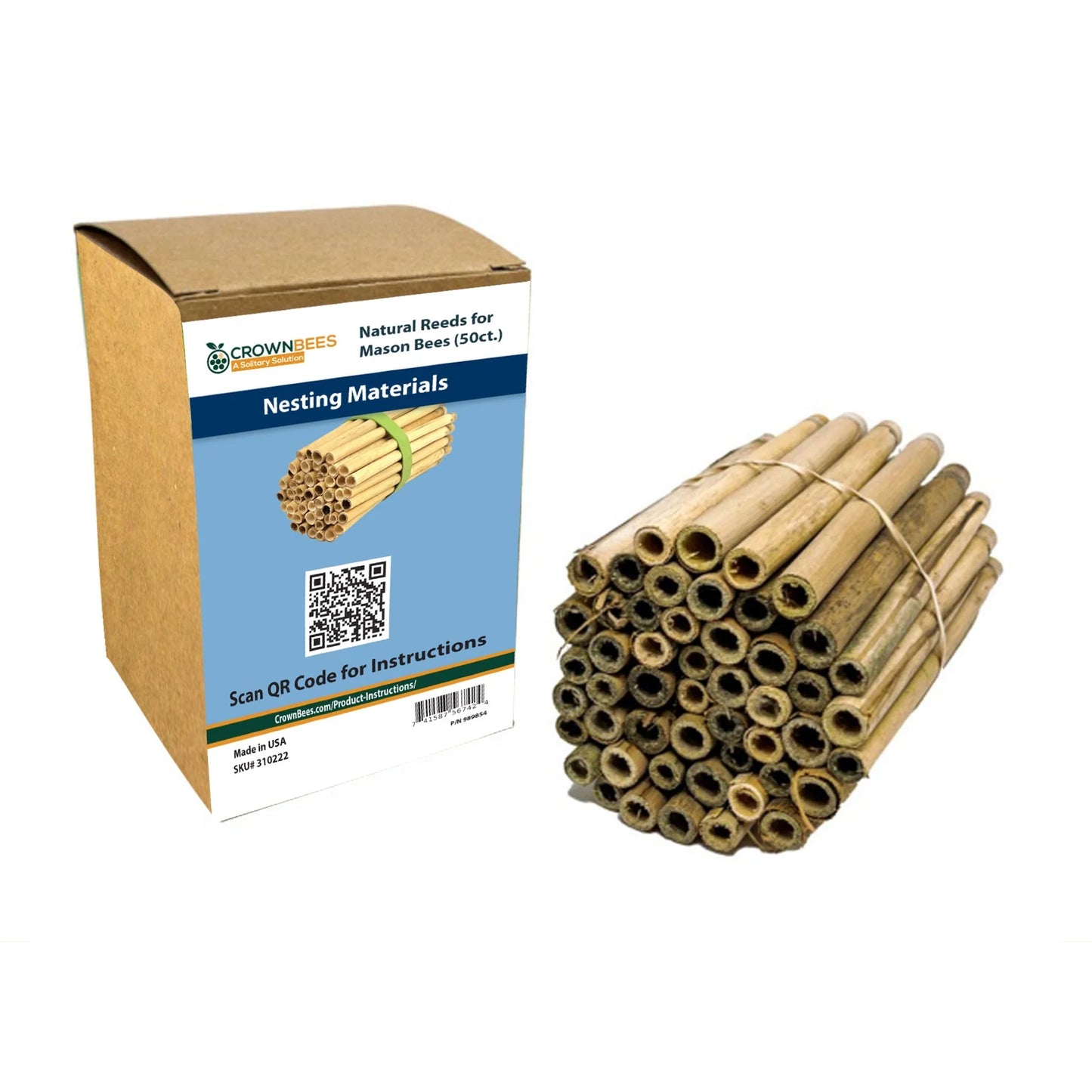
- Reusable 48-hole wood trays for Mason bee nesting
- Cocoon hatchery
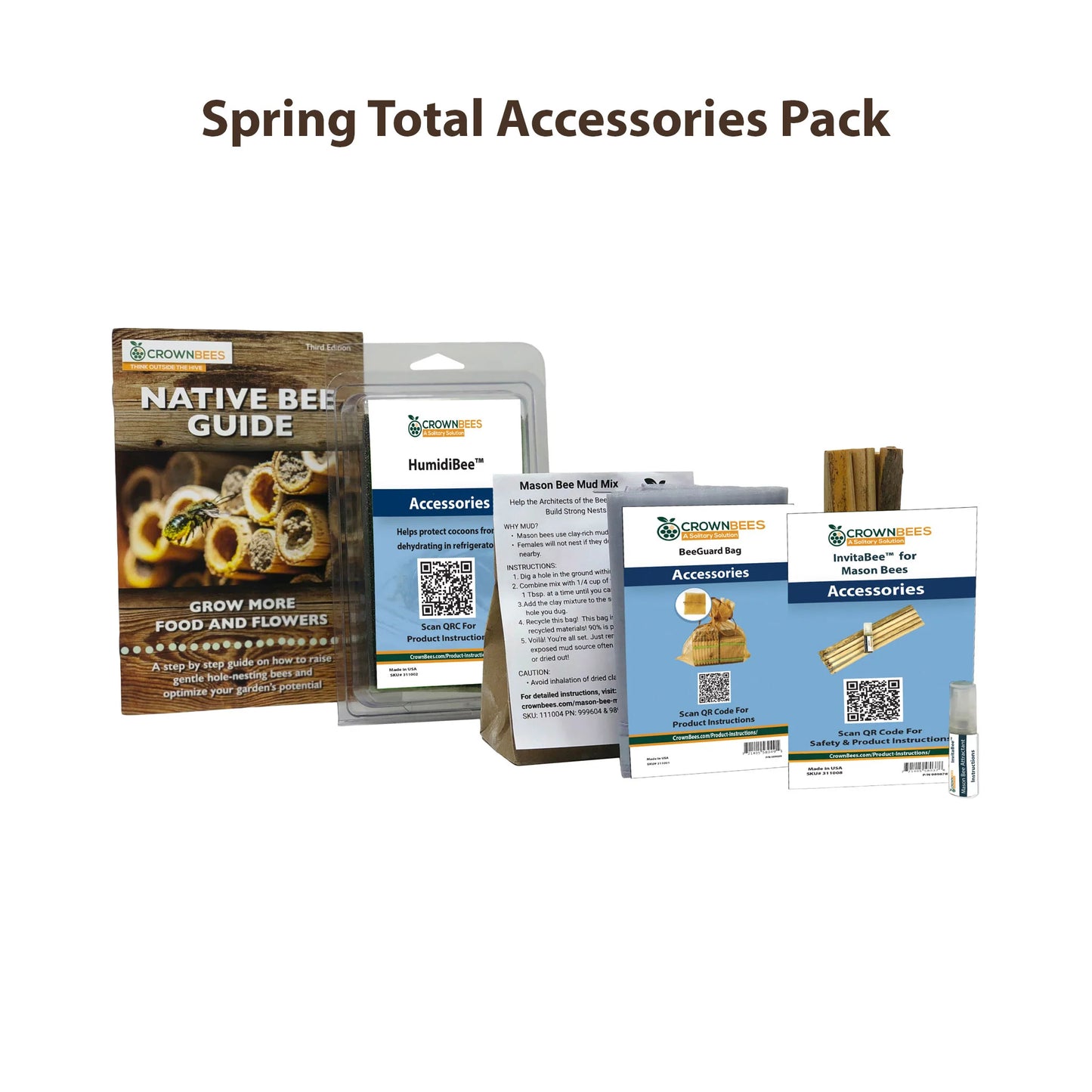
- Clay-mud for Mason bee nest building
- Build guidelines for setting up the bee house
- Planet Bee Foundation Curriculum resources

What’s included: A simple, classroom-friendly kit with a Bee Buddies Mason bee house made exclusively for the program that supports student observation, care, and seasonal learning.
Shipping: The bee house, clay-mud, and nesting trays ship in January.
Once a classroom is accepted, the lead educator chooses when the Mason bee cocoons ship, timed to local spring conditions with daily highs reaching 55°F and spring flowers blooming.
How Bee Buddies Works
A clear flow helps educators plan and helps students care from day one.
Build day
Students help set up their Bee Buddies Mason bee house. Great for design and problem-solving.
Spring release
When conditions are right, students release Mason bee cocoons and begin observation.
Observe + record
Weekly or biweekly walks to watch nesting behavior and seasonal changes.
Reflect + connect
Students connect pollinators to food systems, biodiversity, and community impact.
What Schools Need
Outdoor Space
- An existing garden area; bees need blooms!
- An outdoor location with morning sun and afternoon shade
- A place to mount the bee house at eye level for easy observation
Time and Supervision
- A point person to coordinate the program
- Short learning blocks of 15 to 30 minutes
- Observation walks during the active season
Optional idea: Invite the school, families, and community members to unveil the bee house together on installation day. This often becomes a shared school event students take pride in.
Educator Support and Program Commitments
Accepted classrooms are invited to an educator webinar covering setup, spring release, and seasonal care. A recording is available if you can’t attend live.
The goal is to send educators into the season feeling ready, so the program feels doable year after year.
To support long-term success, the lead educator agrees to:
- Continue the program year after year when possible
- Follow Crown Bees’ Mason bee care guidelines
- Share a few photos with permission
- Complete a short end-of-year reflection
- Confirm that an outdoor space or school garden is available
As pollination turns into growing food, classrooms often discover the joy of sharing their harvests with the community. Students light up as they realize that small actions, like caring for bees, can create big, feel-good ripples far beyond their school.
What Educators Are Saying
Real feedback from the program’s first season.
“It has been amazing to see the students' attitudes change from scared about them to understanding their importance.”
— Walnut Grove Elementary (Greenwood, IN)
“I wanted to let you know how excited we are with the immediate success of the mason bees. We have already spent some time teaching students and teachers from Edmonds School District about them on a field trip this week.”
— Snohomish PUD Woods Creek Sustainability Center (Monroe, WA)
“Students were able to see how the bees spread pollen from one flower to the next.”
— Charleston Progressive Academy (Charleston, SC)
“Our new bees are very happy and have definitely found their home in our sensory garden. We get so excited every time we see them while gardening.”
— C.E. Williams North Middle School (Charleston, SC)
“We love our bees! We have had a chance to watch them emerge, flying in and out of the house, and watched the holes be filled! It's been so rewarding and exciting!”
— Dieringer School District (Lake Tapps, WA)
Planet Bee Foundation
Bee Buddies is proud to partner with Planet Bee Foundation, who supplies every accepted classroom with curriculum resources focused on pollination, engineering design, community science, and climate action.
- Live lessons taught by Planet Bee educators
- Curriculum materials educators can use independently
- Aligned with Next Generation Science Standards
- Developed for kindergarten through high school, with emphasis on grades three through five
Planet Bee's curriculum is provided at no cost to schools through the support of grantmakers, donors, and corporate partners.
FAQs
Yes. Mason bees are gentle and rarely sting. Schools should follow standard allergy protocols.
Bee Buddies is open to public and private K–12 schools.
We have a limited number of kits each year, and placing them on school campuses lets one kit reach the most students, shared across classrooms, grade levels, and new groups of students season after season.
No. The Quick Start webinar and guidance provide everything needed.
A setup day, spring release, and brief observation walks during the active season.
Yes. The program is designed to continue year after year.
Applications Open October–November
Applications open each year in October and close in November. Space is limited to 200 sites, one kit per site.
Classrooms are selected based on readiness and pollinator gardens. Bee Buddies is open to public and private K–12 schools. We have a limited number of kits each year, and placing them on school campuses lets one kit reach the most students, shared across classrooms, grade levels, and new groups of students each season.
Apply NowThe application is hosted by Planet Bee Foundation.