



Bee News, Updates & Seasonal Tips — climate change
Dave Hunter


Strange Occurrences This Harvesting Season
Unusually warm summer and fall temperatures can cause Mason bees to emerge months too early, long before flowers are available. During the 2022 harvest season, some Pacific Northwest bee raisers noticed early emergence tied to accelerated development and depleted fat stores. This article explains why early emergence happens, how temperature affects Mason bee biology, and what bee raisers can do in fall, spring, and summer to reduce losses as climate patterns continue to change.
Dave Hunter
Bee Informed: Murder Hornets Given a New Name, Meet the Robber Fly, and Threatened Wild Bees Get Help from Washington Researchers
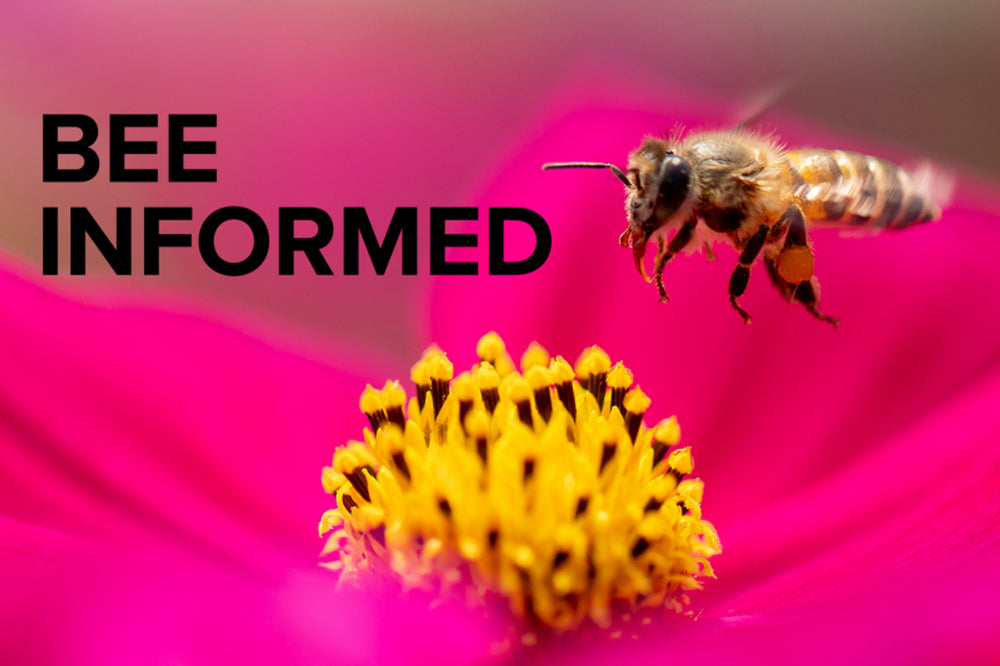
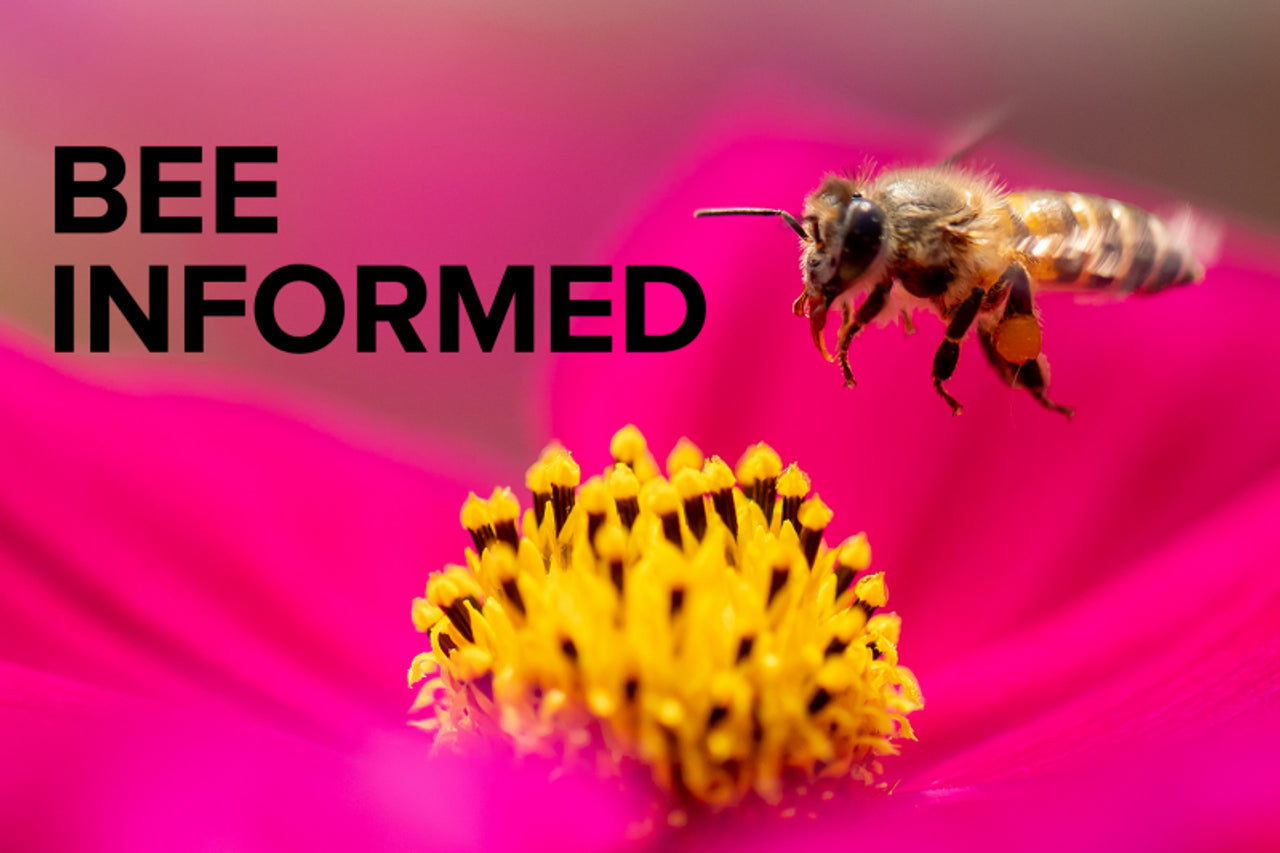
Each month our Bee Informed Blog highlights current news, science, and research related to solitary bee conservation, food insecurity, and sustainability. 1. Murder hornets given new common name by entomologists (Associated Press) The invasive hornet found in Washington state that has been referred to as the Asian giant hornet or murder hornet has a new name. Washington state Department of Agriculture officials said Monday that the Entomological Society of America (ESA) has adopted “northern giant hornet” for the species Vespa mandarinia in its Common Names of Insects and Related Organisms List. Continue reading... 2. Meet the Robber Fly, a predator of insects in...
Dave Hunter
Summer Heat Waves May Impact Your Bees!
With extreme summer temperatures sweeping North America, shipping trucks, mailboxes, sheds, and garages can quickly feel like ovens! While bees are hearty insects, extreme temps can impact their survival. Here are a few things to keep in mind this summer: Once our bees leave our facility, we cannot regulate the temperature of the cocoons. Extreme temps and shipping delays may affect your bees. If you know your leafcutter bees are scheduled to ship during a heat wave, please consider changing your bee ship date. You can change your bee ship date up to the Wednesday before your scheduled ship date. If your summer leafcutter...
Dave Hunter
A note about the cold, wet spring.
As you may have noticed, much of the country has been experiencing an abnormally long, cool, and wet spring, which has led to a reduction in the number of completed, capped nesting cavities by mason bees. Mason bees are hearty insects that will fly in cooler temperatures and even drizzle. Still, extended periods of temps in the 40s and continuous rain will keep even the most determined mason bees from flying. If that wasn't enough, this year's weather has led to a phenological mismatch. Phenology is the relationship between environmental conditions and biological processes such as bloom timing for flowing...
Recent articles