





Bee News, Updates & Seasonal Tips — bee raising
Dave Hunter
Bee Informed: Unusual Bee Species, Takeaways From California's Native Plant Conference, and An Introduction to Our Native Bees
Each month our Bee Informed Blog highlights current news, science, and research related to solitary bee conservation, food insecurity, and sustainability. 1. "New unusual bee species discovered with dog-like snout" (Phys.org) A new native bee species with a dog-like "snout" has been discovered in Perth bushland though Curtin-led research that sheds new light on our most important pollinators. Published in the Journal of Hymenoptera Research, author Dr. Kit Prendergast, from the Curtin School of Molecular and Life Sciences, has named the new species after her pet dog Zephyr after noticing a protruding part of the insect's face looked similar to a dog's...
Dave Hunter


Strange Occurrences This Harvesting Season
Unusually warm summer and fall temperatures can cause Mason bees to emerge months too early, long before flowers are available. During the 2022 harvest season, some Pacific Northwest bee raisers noticed early emergence tied to accelerated development and depleted fat stores. This article explains why early emergence happens, how temperature affects Mason bee biology, and what bee raisers can do in fall, spring, and summer to reduce losses as climate patterns continue to change.
Dave Hunter
Bee Informed: Help Bees With No-Mow May, Stingless Bees Make Medicinal Honey, and Honey Bees Threaten Endangered Seabirds
Each month our Bee Informed Blog highlights current news, science, and research related to solitary bee conservation, food insecurity, and sustainability. 1. What you need to know about No-Mow May, the bee-boosting trend sweeping Wisconsin — and the country (wpr.org) Two years ago, Appleton became the first city in the U.S. to adopt "No-Mow May," an initiative designed to boost the population of bees and other pollinators. The idea is to give homeowners the option of letting their lawns get a bit overgrown for a few weeks to ensure that bees that are coming out of hibernation have plenty of options for...
Dave Hunter
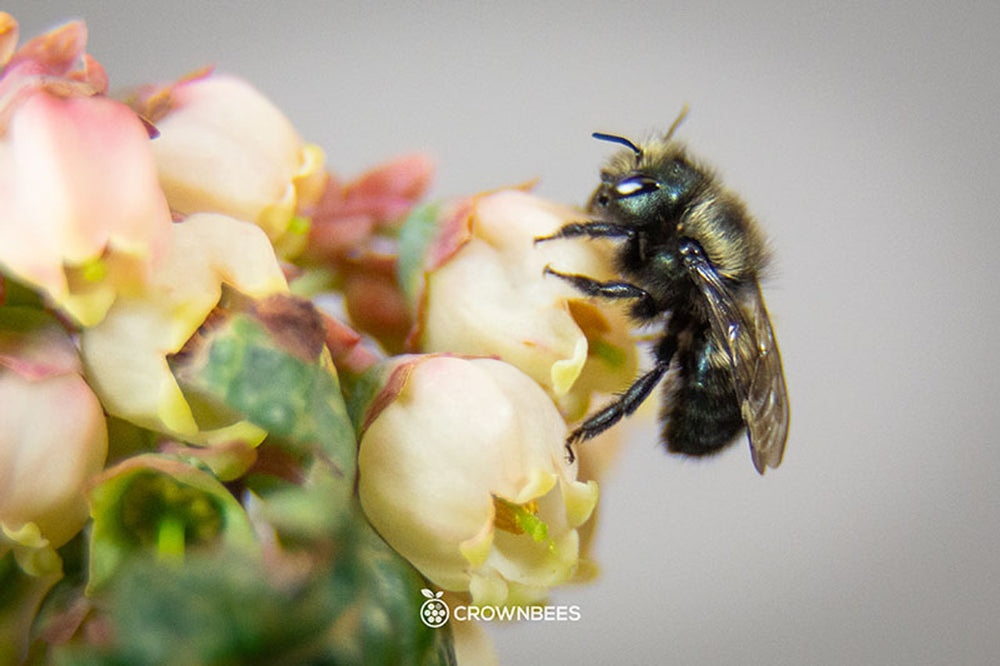
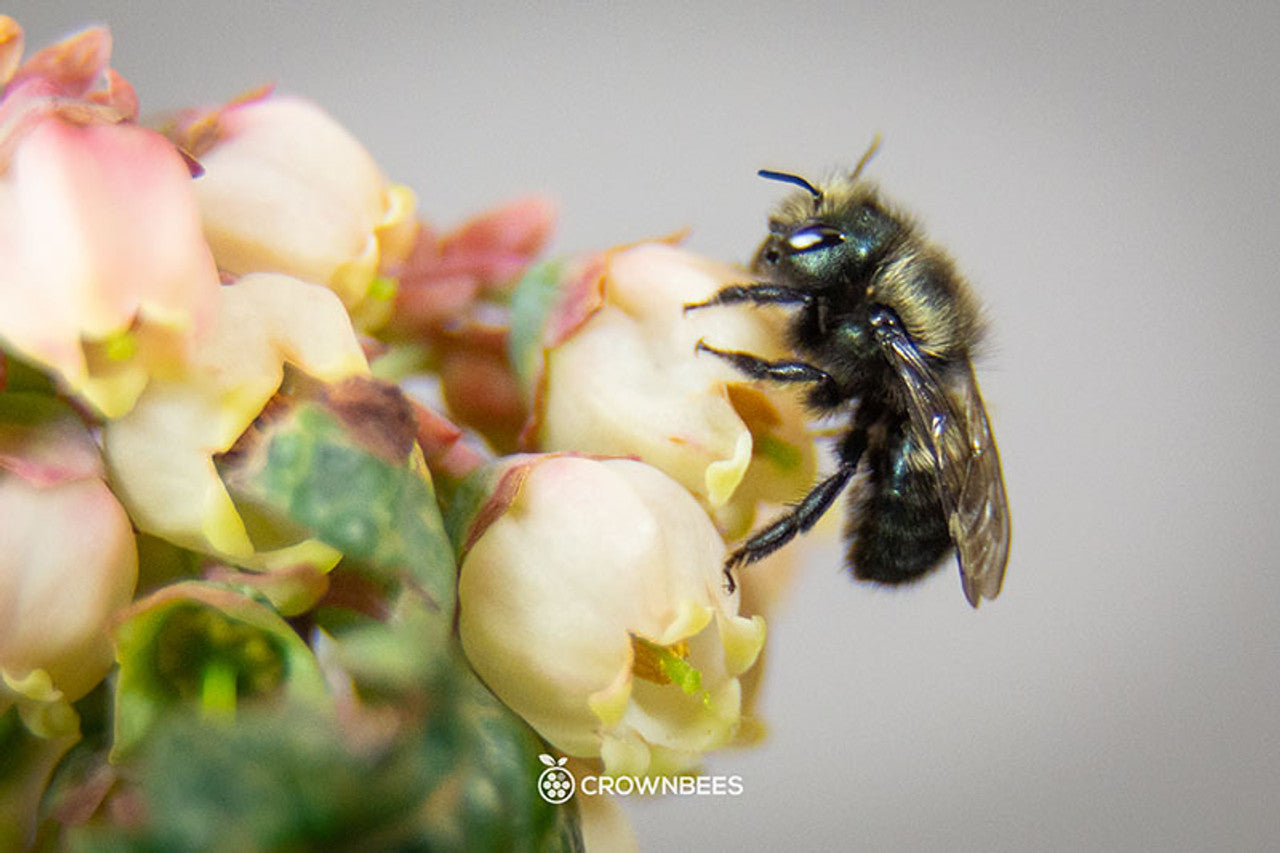
Climate Change: It's Bad for Bees
Global climate change already has observable effects on the environment. Glaciers have melted, extreme weather is more frequent and intense, plant and animal ranges have shifted, and plants are blooming earlier. Figuring out how something as complex as climate change affects bee populations is challenging but not impossible. Recent research has found that climate change affects our pollinators on a physiological level and alters phenology. Since animal pollinators, especially bees, are crucial to our global food supply, we wanted to use this post to explain the connection between climate change and bee declines in a bit more detail. A Crash Course on...
Recent articles