


Before Releasing Summer Leaf Bee Cocoons: When and How to Prepare
Releasing Summer Leaf bee cocoons means placing cocoons into your bee house so they can emerge and begin their summer activities. Before you release, make sure your bee house, nesting materials, and yard are ready.
A simple guide to timing, setup, and what your yard needs before the bees arrive.

About Releasing Summer Leaf Bees
Summer Leaf bees are cavity-nesting solitary bees. They build their nests inside available nesting materials, spend most of their lifetime inside these cavities, and emerge from their cocoons as fully mature bees.
Females often return to where they emerged and search for a nearby nesting cavity to lay their eggs. This is why we suggest releasing your cocoons inside or near your bee house. It increases the likelihood the females will choose to nest in the provided house.
A few things to know
- Bees are wild. They may choose to nest elsewhere, and that's okay.
- You'll receive around 200 cocoons per order. We send way more than you'll need because Summer Leaf bees have a higher dispersal rate than Mason bees. Don't expect all 200 to stick around (the nature of nature)!
- Bee patient. Our Summer Leaf bees typically emerge within 1 to 10 days after you receive them at 80°F/27°C. It can take up to three weeks in cooler climates, but they are a lot of fun to watch once they do.
Before you release your cocoons, make sure your yard and garden are ready for these super summer pollinators. Need help remembering what to do when? Sign up for BeeMail and we'll send timely reminders and tips along your solitary bee-raising journey.
What You Will Need
Three pieces of habitat support a healthy Summer Leaf bee release. Each works with the others.
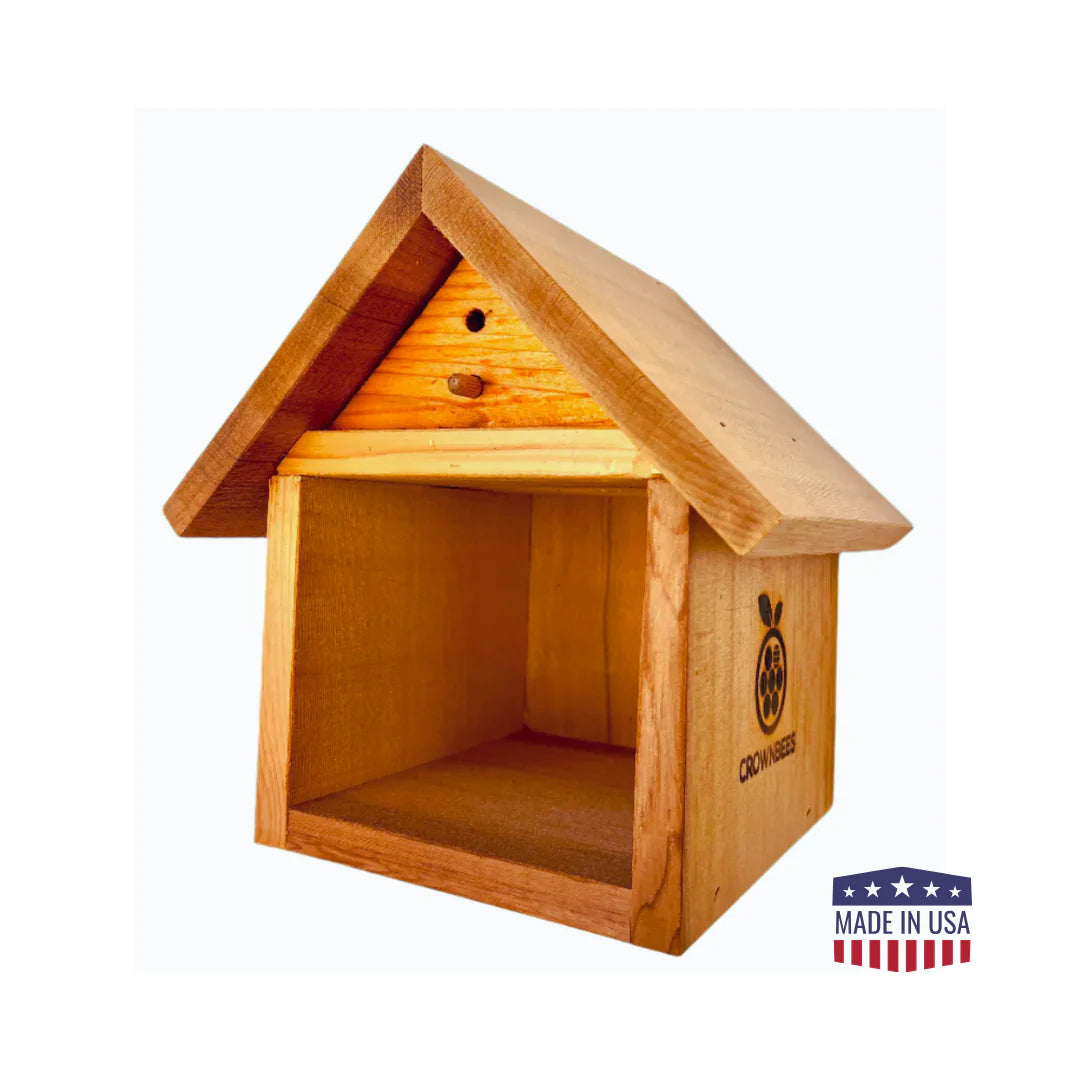
Bee House or Hotel
A sturdy bee house mounted to a solid object provides the foundation of safe nesting habitat.
EssentialCocoon Protection
A protected spot for cocoons to emerge, with a roof overhang shielding from sun, wind, and rain.
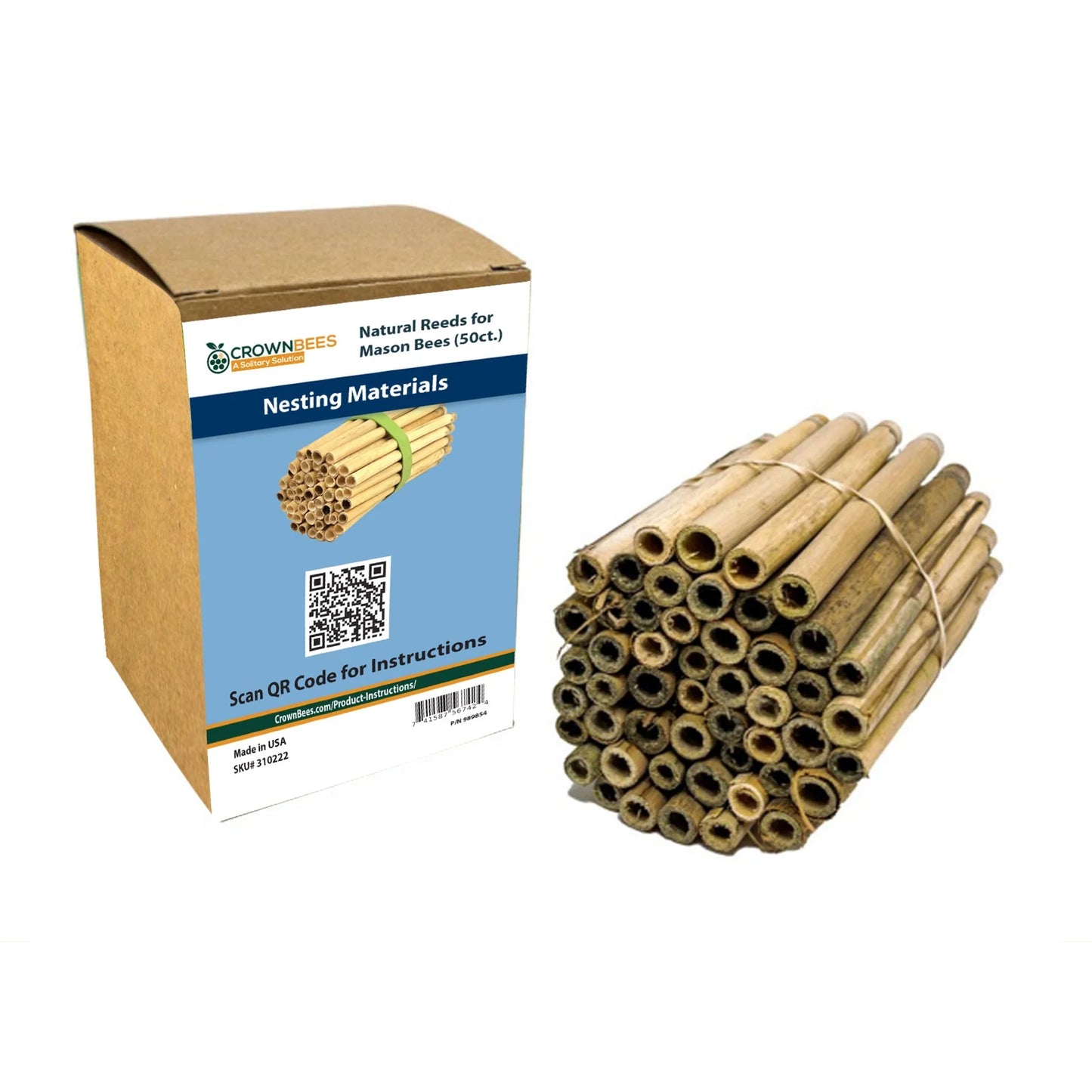
EssentialBeeSafe™ Nesting Materials
Breathable, thick-walled, sealed-at-one-end nesting materials sized for Summer Leaf bees.
Essential1. Bee House or Hotel
A sturdy bee house mounted to a post, home, or fence is the foundation of safe nesting habitat. Solitary bees and wasps prefer a house that protects from wind, rain, and, if necessary, birds.
- Orientation: Bees are cold-blooded and need the warmth of the morning sun to get started. Select a site that is south to southeast facing.
- Location: Install the bee house on a sturdy wall, fence, or post. Bees do not like swinging in the breeze. Summer Leaf bees only fly about 300ft (100m) searching for nectar and pollen, so place the house near open blooms.
- Height: At eye level, about 5ft (1.5m) off the ground to protect the bees from small predators like mice or raccoons. Plus, these bees are fun to watch!
- Bird Protection: If needed, choose bird wire or hardware cloth with 3/4" openings and loosely create a 2" bubble around the front of the house. Do not install the wire flush against the nesting materials, as this can prevent bees from accessing the nests. Check out our All-Season Pests and Predators of Cavity-Nesting Bees to learn more about bird protection.

2. Cocoon Protection
The bee house should provide a little spot for the cocoons to emerge and a 2 to 3" roof overhang to protect cocoons from birds, sun, wind, and rain.
All Crown Bees houses will either have a cocoon hatchery built into the design or an open area to place an individual cocoon hatchery.

3. BeeSafe™ Nesting Materials
Cavity-nesting bees and wasps come in various sizes, and each species has a preferred nesting diameter. Our Summer Leaf bees prefer nesting materials that are ~6mm in diameter.
Nesting materials that are sealed at one end, breathable, thick-walled, and easily opened are the best way to protect bees from pathogens and parasites such as excessive mold, chalkbrood, parasitic wasps, and pollen mites. That's the foundation of the BeeSafe™ Nesting Standard.
All of our Summer Leaf bee nesting materials meet the BeeSafe™ Nesting Standard.
Learn more about what makes nesting materials safe (and what to avoid) on our BeeSafe™ Standard page.
Pro Tip: Use InvitaBee™ to Boost Retention
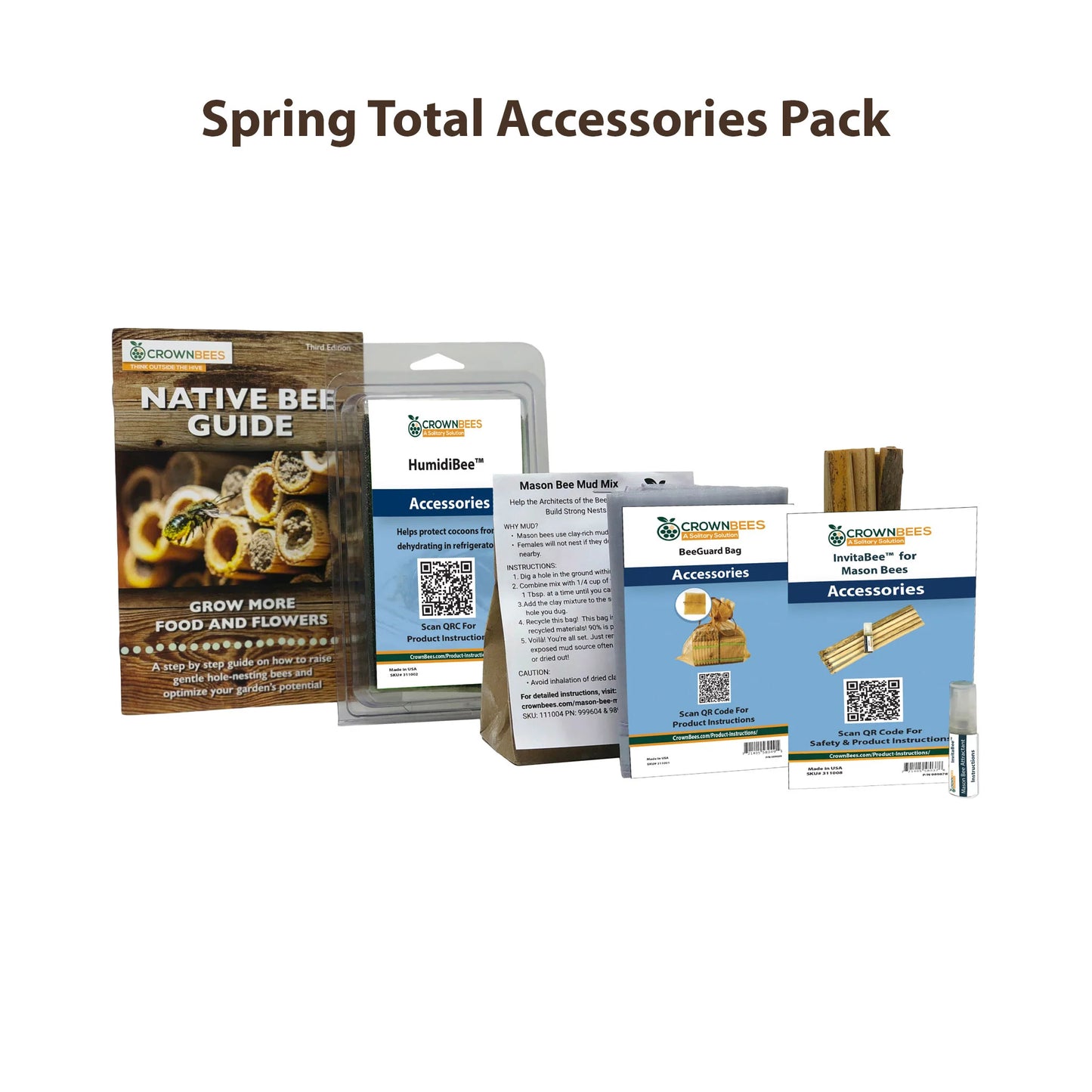
Summer Leaf bees have a higher dispersal rate than Mason bees. To increase the number of nesting females that find your bee house, apply InvitaBee™ Spray for Summer Leaf Bees to the front of your nesting materials before releasing your cocoons. InvitaBee™ is a field-tested synthetic pheromone that attracts Summer Leaf bees to your bee house through sight and smell.

What Your Yard and Garden Will Need
Habitat outside the bee house matters just as much as the house itself. Four things to check before release.
1. Minimum Daily Temps of 70°F/21°C or Higher
Once daily temps are consistently 70°F/21°C or warmer, you can release your Summer Leaf bee cocoons. Freezing temperatures at night do not affect the bees. They will find a safe place to shelter in the evenings.
2. Soft, Flexible Leaves and Flower Petals
Summer Leaf bees are famously known for cutting the leaves of plants to build protective walls and seal their nests. They can use the leaves of almost any broadleaf deciduous plant. However, they prefer soft, flexible leaves and flower petals, such as alfalfa, clover, buckwheat, roses, peas, lamb's quarters, lilac, redbud trees, or hostas.
There is no need to cut the leaves and bring them to the bees. Cut leaves wilt quickly and do more harm to the plant than the minor cuts from a Summer Leaf bee. As long as there is a reliable source within 300 sq. ft., the bees will have no trouble finding and cutting what they need.
Check out our Providing Leaves for Summer Leaf Bees article to learn more.

3. Open Blooms. Native Plants are Best!
Bees, like all animals, get their energy from food. Food for Summer Leaf bees is in the form of nectar and pollen. A single female Summer Leaf bee can visit 10,000 to 20,000 flowers in her short lifetime, collecting pollen and nectar to feed her offspring. Research has found that solitary bees have more offspring when lots of floral resources are available, so make sure you have plenty of open blooms nearby for your bees to forage.
Make sure your yard or garden has continuous blooms before releasing cocoons and through the bees' active season. If the bees emerge without open flowers, they will either fly elsewhere in search of food or be unable to survive.
Summer Leaf bees only have a foraging range of about 300 sq. ft. (100 sq. m), so it's essential to make sure floral resources are within 300 ft of the nesting site.
Check out our Picking Your Summer Leaf Bee Ship Date article for more information on when and how to order Summer Leaf bees.
4. Yard and Garden Free of Chemicals
Some bees will be deterred from nesting altogether if pesticides are present. Others may stick around, but their nesting activity and offspring survival rates may be lower.
Certain pesticides kill bees right away. Even at low doses, pesticides can have sublethal effects on bees, such as:
- Impaired memory and disorientation causing females to forget their nest location
- Reduced foraging efficacy causing females not to be able to provide enough food for their offspring
- A higher percentage of male offspring
- Increased susceptibility to disease and parasites
Avoid buying plants, bulbs, seeds, or compost that contain pesticides or insecticides. While they are targeted to kill 'pests,' bees are insects, and using insecticides can harm local bee populations.
If you must spray
Only use organic or natural pest deterrents such as neem oil, garlic, and chili pepper. Spray at night when bees and other pollinators are not active, and try to spray when there is no wind or rain.
Why Plant Native Plants
Native plants have evolved over hundreds or thousands of years in particular regions or ecosystems. In the United States, only plants found in this country before European settlement are considered native.
Native plants provide numerous benefits
- Native plants provide nectar, pollen, and seeds that serve as food for native insects, birds, and other animals.
- Non-natives do not always provide the necessary nutrients for our native animals to thrive.
- Native plants can help you save money and water. Since they are adapted to local soils and climates, they don't require as much water and fertilizer as non-natives. The deep roots of many Midwestern plants increase the soil's capacity to store water, which is essential for reducing water runoff and preventing erosion.
- Native plants are often more resistant to insects and diseases, so they are less likely to need pesticides. Eliminating pesticides creates a healthy habitat for wild bees and other animals.
Unfortunately, native plant species in North America are disappearing at an alarming rate due to land degradation, agribusiness, and chemical use. Many landscapers, gardeners, and nurseries have replaced native plants with showy non-natives, negatively affecting our native insect and bird populations.
Many resources are available to help you create native habitats that attract native wildlife and promote biodiversity. Check out our A Guide to Native Plant Gardening blog post to help you identify the best native plants for your region.

Second Generation Summer Leaf Bees
Unlike Mason bees, who only produce a single generation of offspring each year, Summer Leaf bees are bivoltine, meaning two generations of bees can emerge in a single year. A second generation is not a guarantee but is likely if warm summer temps continue into early fall. Leave your nesting materials in the bee house over the summer, and second-generation bees may emerge.
Evidence of emergence is a large hole in the capped ends and leafy debris. If second-generation bees emerge, you may need to add new clean nesting materials to entice the new bees to stick around. Remember, the bees will also need pollen, nectar, and soft leaves to build their nests.