


Wild Bee Education at Hatcheries and Watershed Spaces
Healthy ecosystems connect land, water, wildlife, and people. At places like FISH (Friends of the Issaquah Salmon Hatchery), salmon, wild bees, native plants, and healthy waters all depend on the same thing—thriving, connected habitats.
While salmon rely on clean, shaded streams, wild bees support the native plants that protect those waterways. Pollinators help stabilize riverbanks, improve water filtration, and support the vegetation that shelters salmon eggs and young fish. When wild bees thrive, salmon habitat becomes stronger too—showing how what happens on land affects life in the water.
Discover Wild Bees Here
Wild bees don’t make honey or live in hives. They don’t have a queen to protect and rarely sting. Instead, they are peaceful neighbors—easy to observe, safe around families and trails, and fascinating to watch as they belly flop from flower to flower.
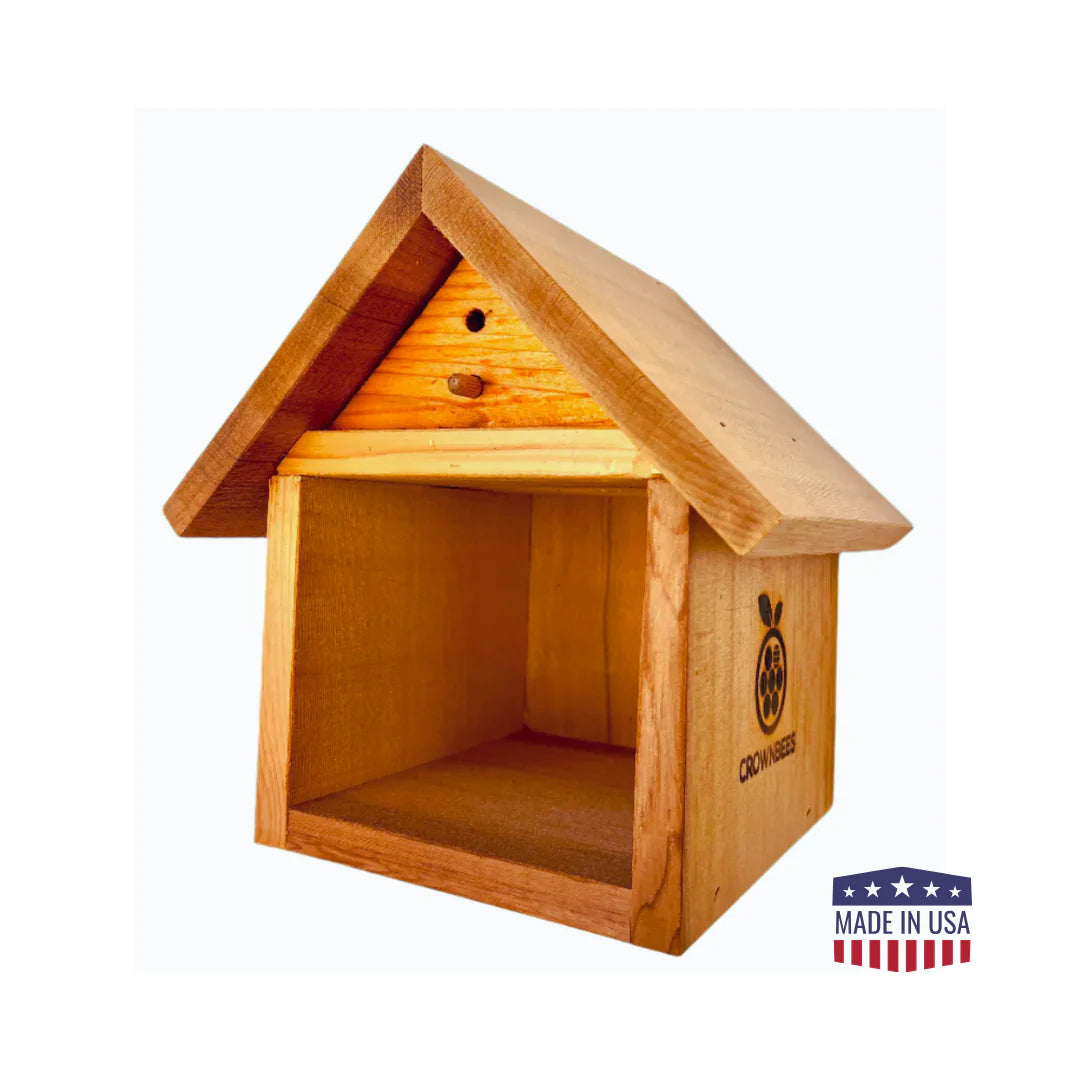
There are more than 4,000 bee species in the United States. Most live alone in hollow stems, soil tunnels, and purpose-built bee houses like this one.
Raising Wild Bees Is Easier Than You Think
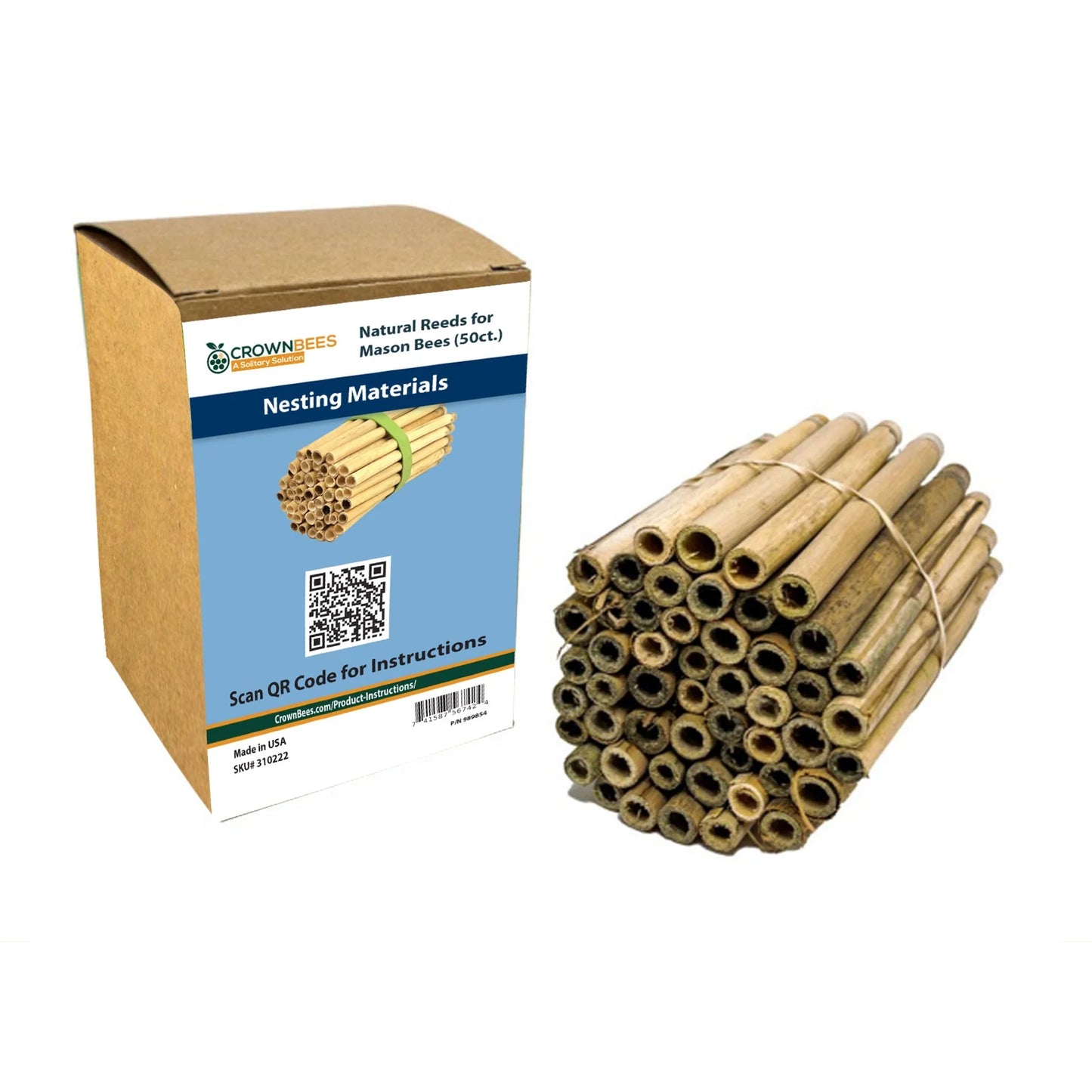
You don’t need honey, hives, or protective gear to help pollinators. Most wild bees are solitary, gentle, and easy to support with just a bee house, natural nesting tubes, flowers, and chemical-free spaces.
This makes them perfect for watershed programs, outdoor classrooms, restoration sites, and family nature projects.
Fun fact: One Mason bee can pollinate as many flowers as 100 honey bees!
Why Wild Bees Matter
They support restoration. Wild bees help native plants establish, stabilize soil, and rebuild healthy riparian habitat.
They pollinate efficiently. Many wild bees carry pollen on their bellies and deliver it directly where flowers need it—a near-perfect transfer.
They help protect watersheds. Healthy plant life filters runoff, prevents erosion, and shades salmon streams.
Wild bees are active for only a few weeks each year. The rest of the time, they grow as larvae, form cocoons, develop into adults, and hibernate until spring or summer.
Here’s a look at the Mason bee lifecycle:

You Can Help!
You don’t need a large space to make an impact. Even a small garden or native planting can support healthy ecosystems that benefit both pollinators and salmon.
- Plant native flowers that bloom across the seasons.
- Leave natural nesting areas like stems, grasses, and leaf litter.
- Avoid pesticides and herbicides that harm bees and water systems.
- Use openable nesting materials to safely support bee health year after year.
- See which bees live near you: Where the Wild Bees Are
About FISH (Friends of the Issaquah Salmon Hatchery)
FISH (Friends of the Issaquah Salmon Hatchery) is a Pacific Northwest nonprofit dedicated to protecting salmon, watersheds, wildlife, and the ecosystems that connect them. Through advocacy, education, and community engagement, FISH helps ensure healthy salmon runs for future generations.
Salmon, wild bees, native plants, and clean water are all connected. By supporting habitat restoration and pollinator-friendly practices, FISH and its partners help create stronger ecosystems for both salmon in the streams and pollinators on land.
Support Wild Bees with Purpose-Built Habitats
Bee houses provide long-term habitat for wild pollinators and allow schools, parks, and restoration groups to observe, learn, and participate in conservation.

Rewild Refuge Bee House
A durable habitat for parks, nature centers, and watershed projects—designed for visibility, learning, and long-term stewardship. Shop Rewild Refuge here.

DIY Build a Bee House
Perfect for youth programs, volunteer groups, and family projects. Build, place, and observe wild bees where you live. Shop DIY Bee House here.
Learn with Our Programs & Partners
- Planet Bee Foundation — Inspiring students with pollinator education and habitat building.
- Mason Bee Edu — Bee biology, identification, and student-led research programs.
- Crown Bees iNaturalist Project — Join citizen scientists tracking wild pollinators nationwide.
About Crown Bees: Based in Washington state, Crown Bees partners with parks, hatcheries, schools, and conservation groups to raise awareness and provide science-based tools for supporting wild, cavity-nesting bees. We’re buzzing to be collaborating on this pollinator project.
We’re Here to Help You BEE Successful
- Getting Started Guide
- BeeMail Newsletter
- If you have direct questions, email info@crownbees.com