


This Bee House Is Part of Something Bigger. Meet the Wild Bees at Bybee Victory Garden.
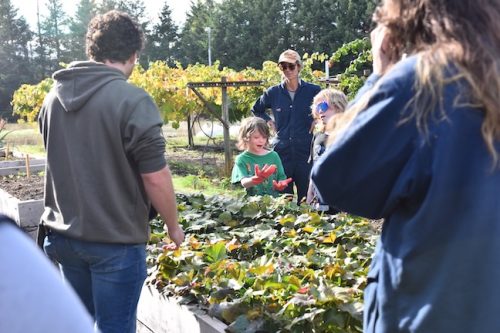
Bybee Victory Garden is a VetRest working farm where Veterans grow food, tend the land, and connect with the living world around them.
VetRest mentors Veterans through farming in safe, supportive environments—where growing healthy food, connecting with the land, and finding peace are all part of the same journey. The bee house you found here is part of that mission.
Wild bees are safe, easy to host, and powerful pollinators. You can do the same thing at home, no hive, no gear, no sting risk.
Raising Wild Bees Is Easier Than You Think
Most wild bees don't make honey or live in hives—and they don't require gear or special equipment. All they need are safe nesting materials, flowers to forage, and pesticide-free spaces.
Families, schools, parks, and nature programs can all help support pollinator conservation—right where they live, learn, and explore.
Fun fact: One Mason bee can pollinate as many flowers as 100 honey bees!
Discover Wild Bees Here
Wild bees do not make honey or live in large hives. They don't have a queen to defend and rarely sting. Instead, they nest alone in hollow stems, reeds, and openable bee houses making them safe to observe and a natural fit for working farms and outdoor learning spaces. See common Mason bee questions →
There are more than 4,000 bee species in the United States. Many are solitary bees that pollinate native plants, gardens, farms, and natural landscapes—helping to keep ecosystems healthy.
Why Wild Bees Matter
They pollinate more efficiently. Wild bees deposit pollen with nearly every flower visit, increasing pollination of both crops and native plants.
They support healthy ecosystems. Wild bees help plants grow, which protects soil, supports wildlife, and improves habitat diversity.
Wild bees are active for only part of the year. The rest of the time, they grow as larvae, form cocoons, and hibernate until spring or summer.
Here's a look at the Mason bee lifecycle:

You Can Help!
You don't need a large space to make an impact. Even a small garden, nature trail, or community education project can support pollinators.
- Plant native flowers that bloom across seasons.
- Leave natural stems and leaf litter for nesting.
- Avoid pesticides and herbicides that harm bees.
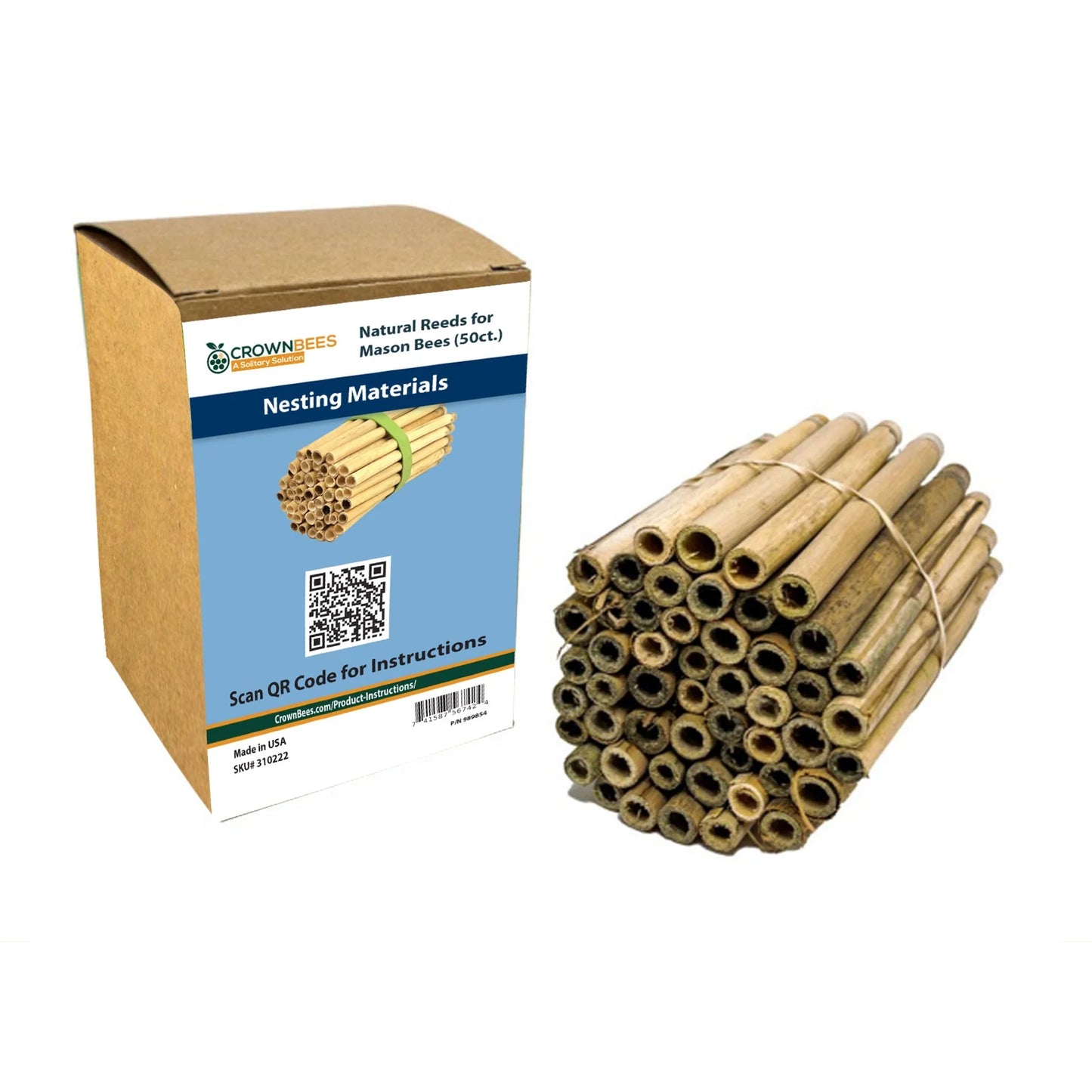
- Use openable nesting materials for safe annual cocoon care.
- Learn which bees live near you: Where the Wild Bees Are
Know a Teacher? Bring Mason Bees to Their Classroom!

The Crown Bees' Bee Buddies Pollinator Program is a K–12, hands-on, student-led learning experience that turns pollination into something students can see, touch, and care for. Using gentle, region-specific Mason bees, students observe the full pollination cycle right on their own campus while building a deeper connection to their local ecosystem.
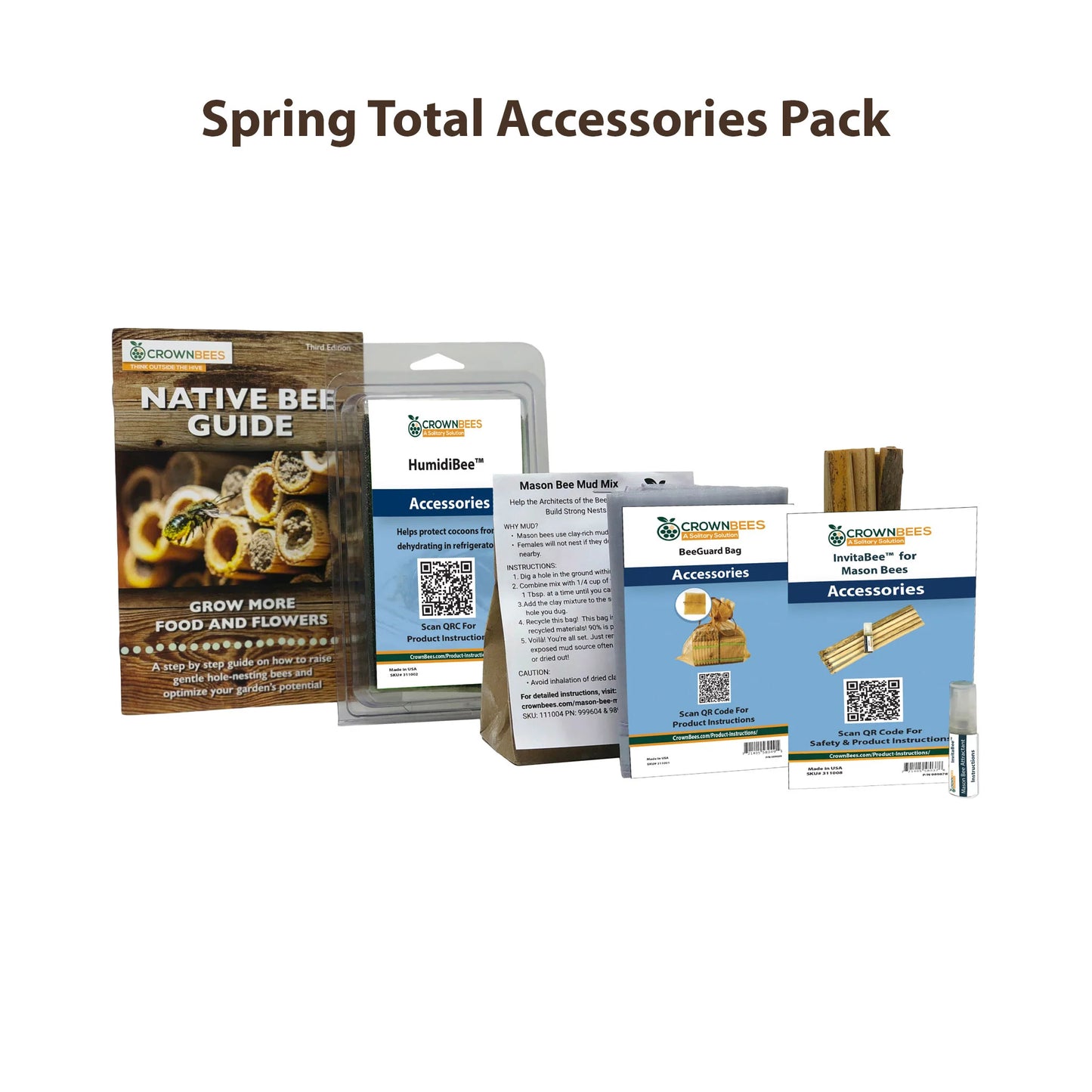
Each accepted classroom receives a FREE Bee Buddies starter kit, with Mason bee cocoons, reusable wood nesting trays, and an easy-to-use mud mix. Everything is designed to be easy to manage, classroom friendly, and flexible enough to fit school schedules with no beekeeping experience required.
Through the seasons, students connect to growing food, sharing harvests, and caring for the living world just outside the classroom door. The result? Curiosity takes off, stewardship grows, and science becomes something students learn hands on!
Support Wild Bees with Purpose-Built BeeSafe™ Habitats
Bee houses installed in working landscapes should do more than add visual interest. Crown Bees habitats are built to the BeeSafe™ Standard, a research-informed approach to design and materials that supports healthier solitary cavity-nesting bees while reducing pest and disease pressure. Our nesting materials and houses; including sustainable handcrafted cedar bee houses made in Western Washington; are designed for long-term stewardship, giving farms and nature programs a reliable way to demonstrate pollinator conservation, support local bee populations, and create meaningful educational moments.

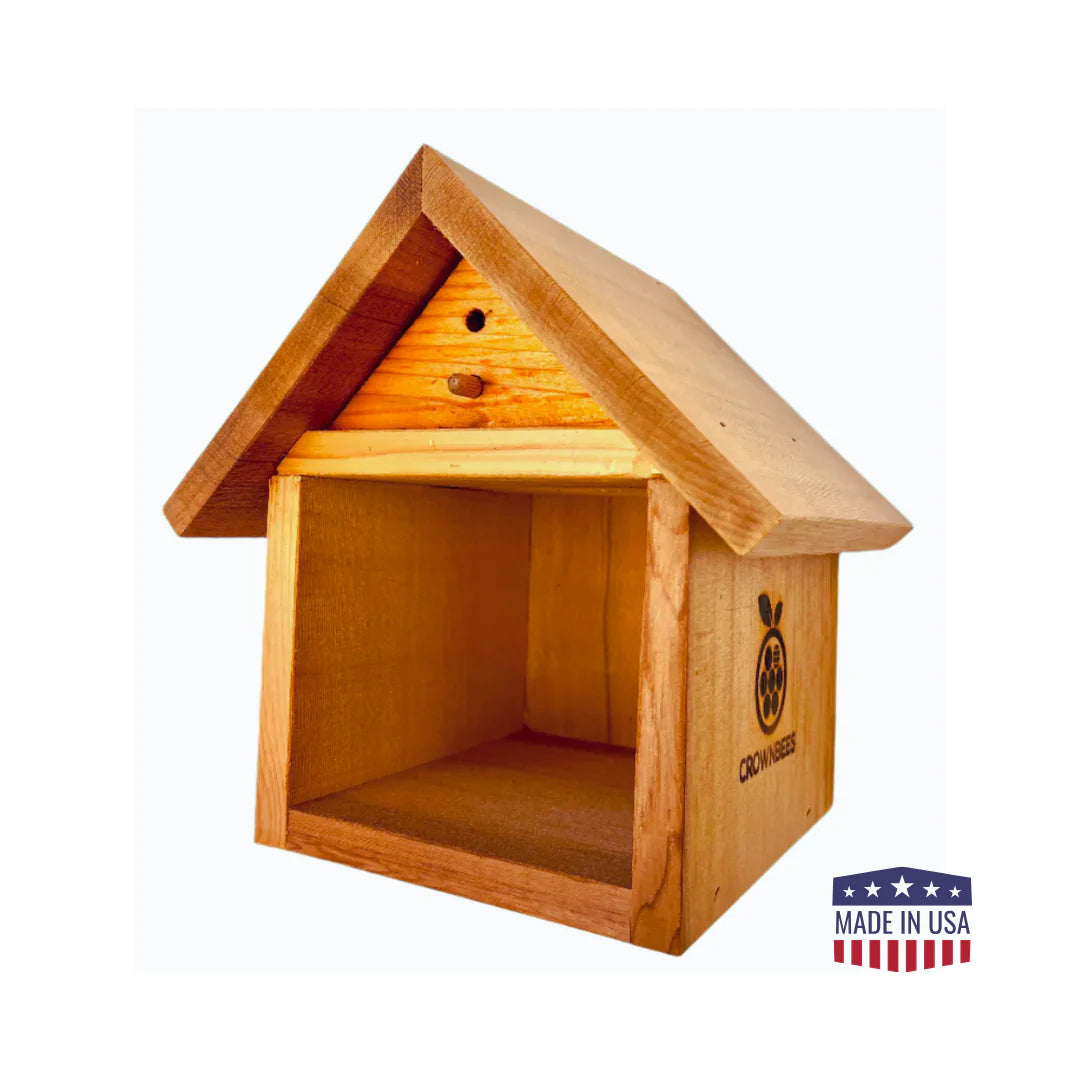
Rewild Refuge Bee House
Perfect for parks, education centers, and conservation spaces that support observation, stewardship, and habitat learning. Shop Rewild Refuge here.

DIY Build a Bee House
Great for classrooms, camps, workshops, and family learning events. Build, place, observe, and support wild bees. Shop DIY Bee House here.

About VetRest: VetRest mentors Veterans while providing farming opportunities in safe and supportive environments where they can achieve wellness and produce healthy food for our nation. Their mission is finding peace from the hidden battle.
About Crown Bees: Based in Washington state, Crown Bees partners with gardens, parks, schools, and conservation groups to raise awareness and provide science-based tools for supporting wild, cavity-nesting bees. We're buzzing to be collaborating on this pollinator project.
Ready to Host Wild Bees at Home?
Set up a bee house, plant a few native flowers, and watch pollinators move into your garden. Crown Bees makes it simple to get started.
Questions? Email info@crownbees.com or sign up for the BeeMail Newsletter for seasonal tips and reminders.