


Wild Bee Education at Bethpage State Park

Discover Wild Bees Here
These bees don’t make honey or live in hives. They don’t have a queen to defend and rarely sting. Instead, wild bees are quiet, gentle neighbors—easy to observe, safe around families and trails, and fascinating to watch as they belly flop from flower to flower.
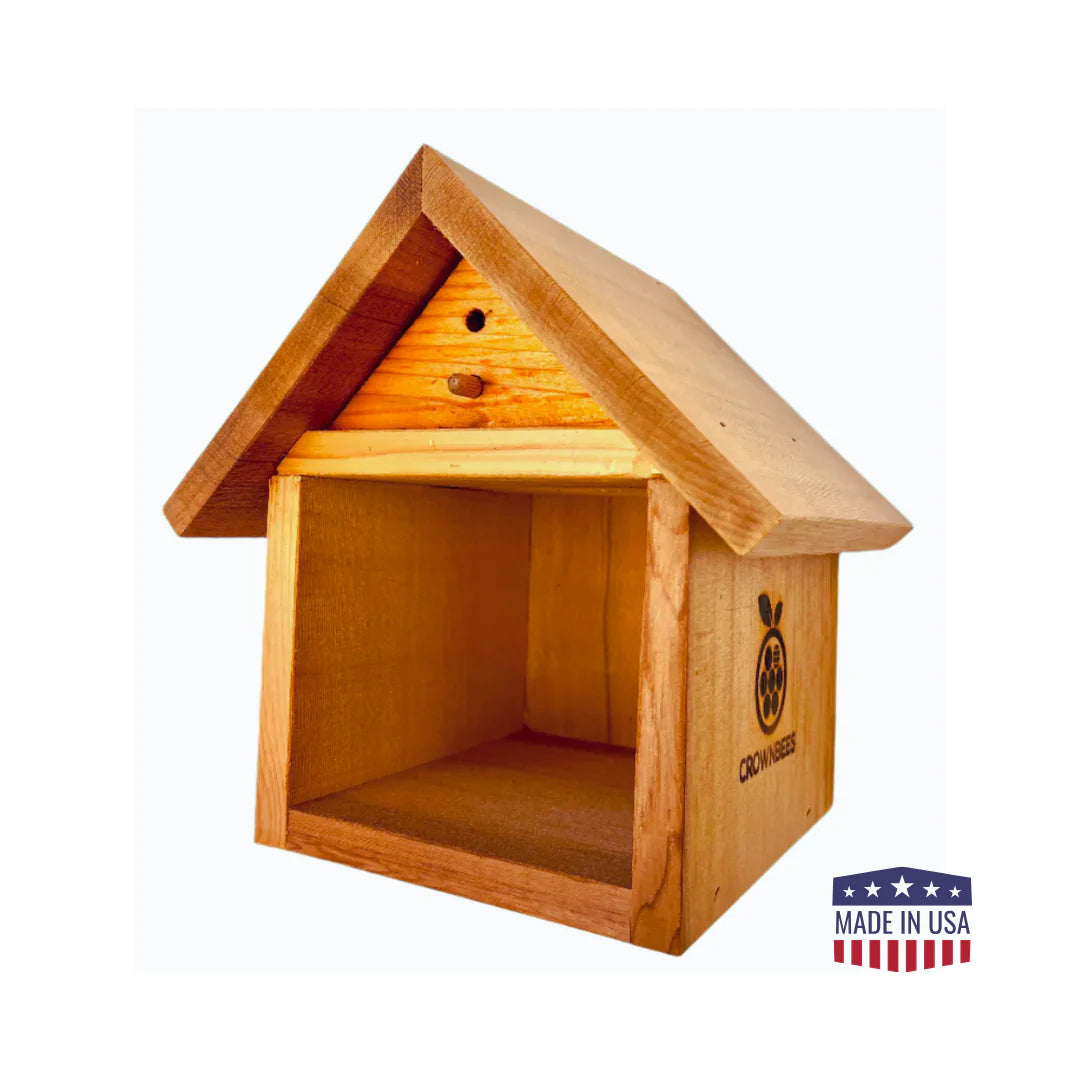
There are over 20,000 bee species in the world, and more than 4,000 live in the United States. Most are solitary bees that nest in hollow stems, abandoned tunnels, and bee houses like this one.
Raising Wild Bees Is Easier Than You Think
Most wild bees don’t make honey or live in hives—and they don’t require protective gear or special equipment. All they need are safe nesting spaces, blooming flowers, and chemical-free habitat.
That makes them perfect for school gardens, backyard habitats, community programs, STEM projects, and nature centers.
Fun fact: One Mason bee can pollinate as many flowers as 100 honey bees!
Why Wild Bees Matter
They pollinate more efficiently. Many wild bees carry pollen on their bellies and brush every part of the flower—almost every visit results in pollination.
They support healthy landscapes. Wild bees help pollinate native flowers, gardens, farms, forests, and meadows—supporting food crops and habitats for birds, butterflies, and wildlife.
Wild bees are active for only a few weeks each year. The rest of the time, they grow as larvae, form cocoons, develop into adults, and hibernate until spring or summer.
Here’s a look at the Mason bee lifecycle:

You Can Help!
You won’t get honey, but you will help your community enjoy healthier gardens, stronger food crops, and thriving ecosystems.
- Plant native flowers that bloom across the seasons.
- Leave natural nesting areas like stems, grasses, and leaf litter.
- Avoid pesticides and herbicides that harm bees.
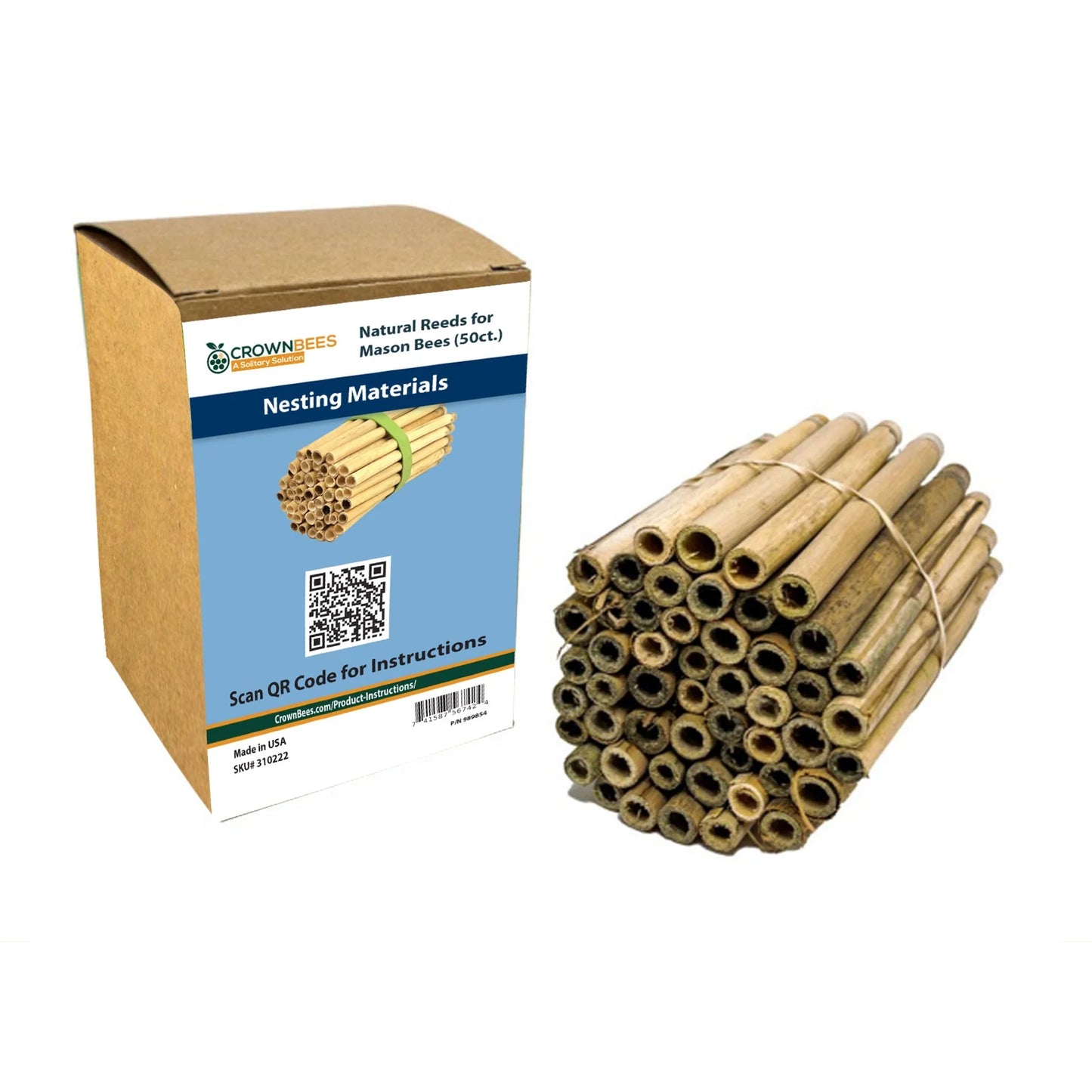
- Use openable nesting materials to keep bee houses reusable and healthy.
- See which bees live near you: Where the Wild Bees Are
Support Wild Bees with Purpose-Built Habitats
Purpose-built bee houses provide long-term habitat for wild bees while supporting observation, education, and conservation in schools, parks, community spaces, and homes.

Rewild Refuge Bee House
A durable habitat for schools, parks, nature centers, and community gardens—designed for visibility, learning, and long-term stewardship. Shop Rewild Refuge here.

DIY Build a Bee House
Ideal for classroom projects, STEM learning, and family exploration. Build, place, observe, and support wild bees. Shop DIY Bee House here.
Learn with Our Programs & Partners
We proudly work with educators, scientists, and conservation leaders across the country to bring bee education to classrooms, parks, and communities:
- Planet Bee Foundation — Engaging students with hands-on science and pollinator education.
- Mason Bee Edu — Bee biology, identification, and student-led research for high school learners.
- Crown Bees iNaturalist Project — Join thousands of citizen scientists documenting wild bee sightings.
Explore all of our Friends & Partners and ongoing Programs.
We’re Here to Help You BEE Successful
- Getting Started Guide
- BeeMail Newsletter
- If you have direct questions, email info@crownbees.com