



The Houdini Fly (Cacoxenus indagator): How to Identify, Trap, and Remove This Mason Bee Pest
What Is a Houdini Fly?
Cacoxenus indagator, commonly called the Houdini fly, is a small invasive kleptoparasite that targets Mason bee nests across the Pacific Northwest, Washington State, Oregon, British Columbia, and increasingly the rest of North America. It has large red eyes and a brown body, roughly 2.5 to 3.5 mm long, about the size of the fruit flies you might find near overripe fruit, but you will find this one hovering at your bee house, not your kitchen counter.
The Houdini fly is a kleptoparasite, meaning it steals resources from its host rather than hunting prey. It sneaks into Mason bee nesting tubes and lays eggs directly on the pollen ball that a female Mason bee has gathered for her young. The fly larvae hatch and consume the pollen, leaving the bee larva with nothing to eat. The baby bee starves.
Houdini fly infestations spread easily when unopened, filled nesting tubes are shipped or moved between locations, and through unmanaged bee hotels where cocoon harvesting never takes place. Infestation rates in bee houses that cannot be harvested have been climbing each year across the Pacific Northwest and beyond. The good news: this bee house pest is manageable, and backyard beekeepers who take consistent action are seeing real results.


How to Get Rid of Houdini Flies: 3 Proven Actions
Mason bee stewards who layer all three of these approaches consistently keep their Houdini fly populations low and their bees healthy.
1. Spring Manual Removal
During nesting season, Houdini flies are slow and deliberate. They rest on the front face, bottom, and sidewalls of your bee house or under the roof edge, waiting for a female Mason bee to leave her tube. That patience makes them easy to spot and easy to remove.
Squishing them in the morning is highly effective. Wear gloves if you prefer. A small hand vacuum also works well in the afternoons when it's warmer, and the flies are quicker.
2. The Houdini Fly Trap
Houdini flies cause damage every single day throughout nesting season. Daily manual monitoring is effective but time-consuming. The Houdini Fly Trap handles that ongoing work for you.
Mount it below your bee hotel or place it at the entrance. The wine scent draws Houdini flies in, where they drown. Community scientists in the Pacific Northwest, including Nicole Kenney of Portland, have been systematically testing attractants. An affordable Malbec wine from Argentina has produced strong results. Other dark red wines (Merlot, Cabernet Sauvignon) are also effective. Mason bees can't get to the wine through a restrictive hole size.
Shop the Houdini Fly Trap3. Fall Mason bee Cocoon Harvesting
This is the most powerful action you can take against the Houdini fly. When you open your nesting materials in the fall and harvest Mason bee cocoons, you are interrupting the pest's entire life cycle before it can restart.
When you crack open a tube and find a sticky cluster of small white maggots where a healthy bee should be, you are looking at next year's Houdini flies. Squish them rather than discarding them in yard waste, as they can survive composting. Shelter your harvested Mason bee cocoons through winter and start spring with clean, BeeSafe™ nesting materials your bees can actually use.
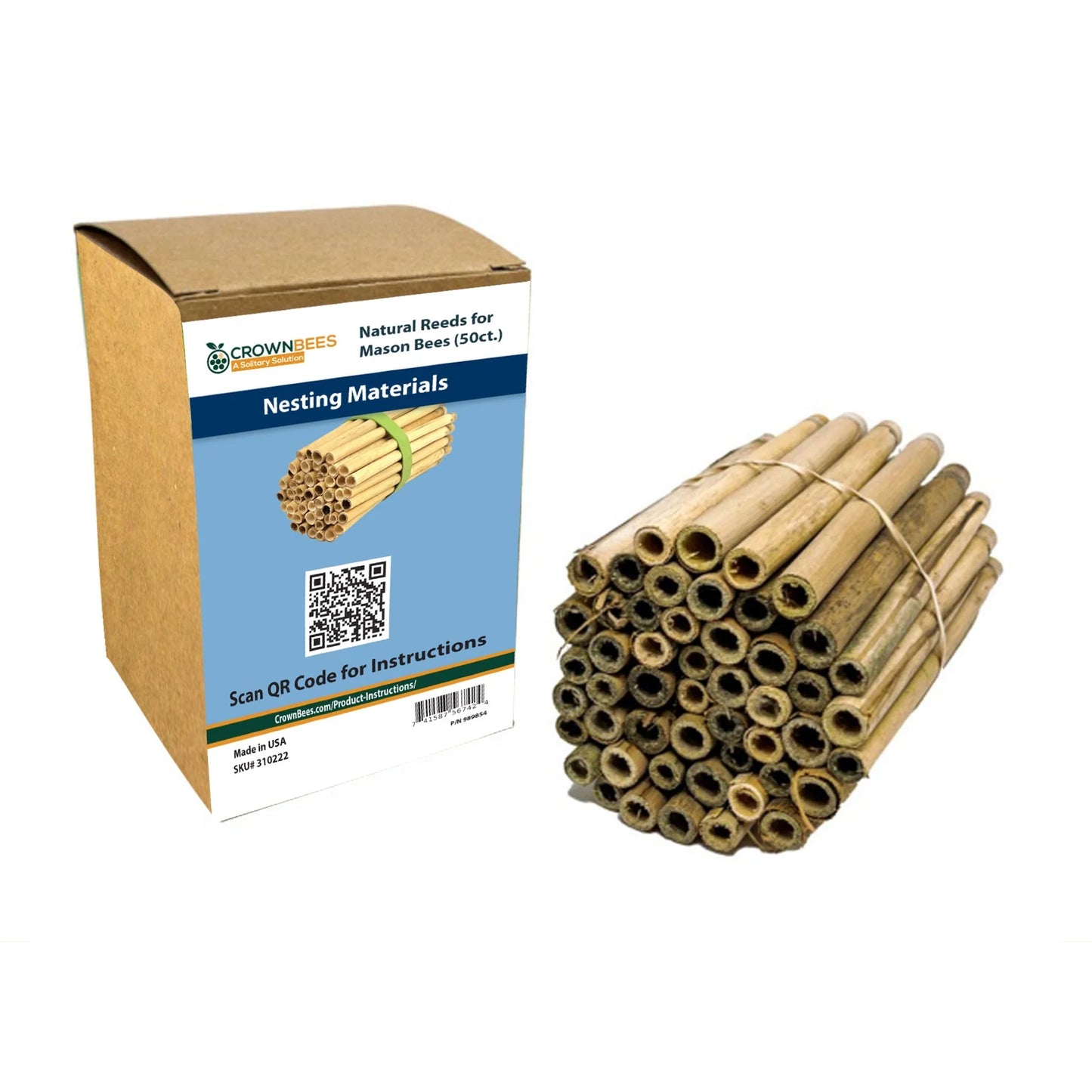
In nature, the hollow stems Mason bees use break down naturally over time, giving bees fresh nesting holes each season. You can give your bees that same clean start with new reeds or nesting blocks designed to be opened and harvested.
Pro tip: The Mason bee stewards getting the best results against the Houdini fly are layering all three actions: spring manual removal, the Houdini Fly Trap during nesting season, and fall cocoon harvesting. Each one reinforces the others.
Where Did the Houdini Fly Come From?
Cacoxenus indagator is native to Europe, where it is part of a balanced ecosystem. It is not native to North America and has no natural predators here.
The first confirmed North American sightings were recorded in New York in 2011, but did not spread significantly. In 2020, the Houdini fly appeared in Seattle, Washington, and has spread steadily from there across the Pacific Northwest and beyond. The most likely pathway was unopened nesting tubes shipped from Europe containing fly pupae.
Crown Bees worked with invasive species departments in Washington State, Oregon, and British Columbia to document and alert beekeeping communities as soon as the pest was identified.
Today, the Houdini fly spreads primarily from unmanaged bee hotels in your neighborhood — owners who cannot harvest, or who are not yet aware that bee stewardship includes fall cocoon management. Talking to neighbors about their bee houses and helping them harvest is one of the most impactful things you can do for your local wild bee population.
Confirmed states: Washington, Oregon, Pennsylvania, New York, New Jersey, Wisconsin, and North Carolina. It's spreading quickly.
The Houdini Fly Lifecycle
The Houdini fly's timing is perfectly synchronized with Mason bees, and that is what makes it so effective as a Mason bee pest.
Spring Emergence
Adults emerge alongside Mason bees when daytime temperatures reach the mid-50s°F, using an inflatable head sac to push through mud cell walls. They live just two to three weeks.
Watching and Waiting
Flies hover near the bee house entrances, waiting for a female Mason bee to leave her tube. They are slow and deliberate, and you will often spot them sitting motionless on the front of the house.
Laying Eggs
The moment a female bee flies off to gather pollen or mud, the Houdini fly slips inside and deposits eggs directly on the pollen ball, then exits before the bee returns. The bee seals the cell with mud, unknowingly trapping the fly eggs inside.
Summer Feeding
Fly eggs hatch into small white maggots that consume the pollen ball rapidly, leaving the bee larva with nothing to eat. The baby bee starves.
Overwintering
Pupae rest inside nesting tubes through fall and winter, ready to emerge the following spring and repeat the cycle.
Why Fall Harvest Matters
This is why fall cocoon harvesting is so powerful. Open the tubes before winter, and you stop an entire generation of Houdini flies before they start.
Ready to Protect Your Mason Bees?
Every Mason bee cocoon we ship has been hand-inspected and meets the BeeSafe™ Standard. Start with clean cocoons, add the trap, and harvest every fall.
Shop the Houdini Fly Trap Shop Mason Bee CocoonsQuick Answers
Do Houdini flies bite or sting people?
No. They are harmless to humans, pets, and other animals. Their entire life cycle is built around Mason bee nests.
How do I tell a Houdini fly from a fruit fly?
Houdini flies are about the same size and have the same large red eyes, but you will find them at your bee house, not your kitchen. If it is hovering near a Mason bee tube entrance or sitting still on the front of a bee hotel, it is likely a Houdini fly.
How do Houdini flies get into bee houses?
Adult flies wait outside the nesting tubes and slip inside the moment a female Mason bee leaves to gather more pollen or mud. They lay eggs on the pollen ball and exit before the bee returns. The bee seals the cell, trapping the eggs inside without knowing.
Do Houdini flies spread to new areas?
Yes, and easily. They spread when unopened filled nesting tubes are shipped between locations, and through unmanaged bee hotels where no fall harvesting takes place. Harvesting your cocoons each fall and using BeeSafe™ nesting materials are the most effective ways to stop local spread.
Could it be a Monodontomerus wasp instead?
Possibly. Monodontomerus wasps are another Mason bee pest that leaves a similar cluster of white larvae inside cells. The adult wasps look very different, though: they are black and dart around erratically, while Houdini flies are slow and tend to sit still. Either way, fall harvesting removes both.
Are Mason bees still safe to raise?
Absolutely. The whole point of openable nesting materials and fall cocoon harvesting is that you stay in control of what is living in your bee house. Mason bee stewards who harvest in the fall and start spring with clean BeeSafe™ nesting materials consistently keep their bee populations strong.
Where can I buy clean Mason bee cocoons?
Right here. Every Mason bee cocoon we ship has been hand-inspected and meets the BeeSafe™ Standard. Shop Mason bees.