


Welcome

Welcome to the world of solitary cavity-nesting bees!
Solitary cavity-nesting bees are some of nature's most remarkable and gentle pollinators. Unlike honeybees, each female lives and works completely independently. She's her own queen, her own worker, and an incredibly dedicated mother, all at once. There's no colony, no hive, and no territory to protect, which means these bees are not aggressive and very rarely sting.
That makes them ideal neighbors. You won't need to suit up to see the bees!
By welcoming these bees into your garden, you're directly supporting local biodiversity. Small actions—maintaining a bee house, adding native or heirloom plants, and removing chemicals—can have a real and lasting impact on the health of your local ecosystem.
You don't need to be an expert. Just start with one simple thing:
- Install this bee house in your garden.
- Share with a local school. Bonus: Planet Bee has great bee education resources for schools.
Why Wild Bees Matter
Did you know there are more than 4,000 bee species in the United States and most of them live alone? Take the Mason bee, one of nature's super pollinators. This little "belly-flopper" is a pollinating powerhouse; a single female can pollinate as many flowers as 100 honey bees.
Find wild bees near you with the Wild Bee Finder Tool →
When you use this tool, you're able to see exactly which species have been recorded in your area. How cool is that?

When you know which species are active nearby and what they need, you can build a bee oasis that supports them.
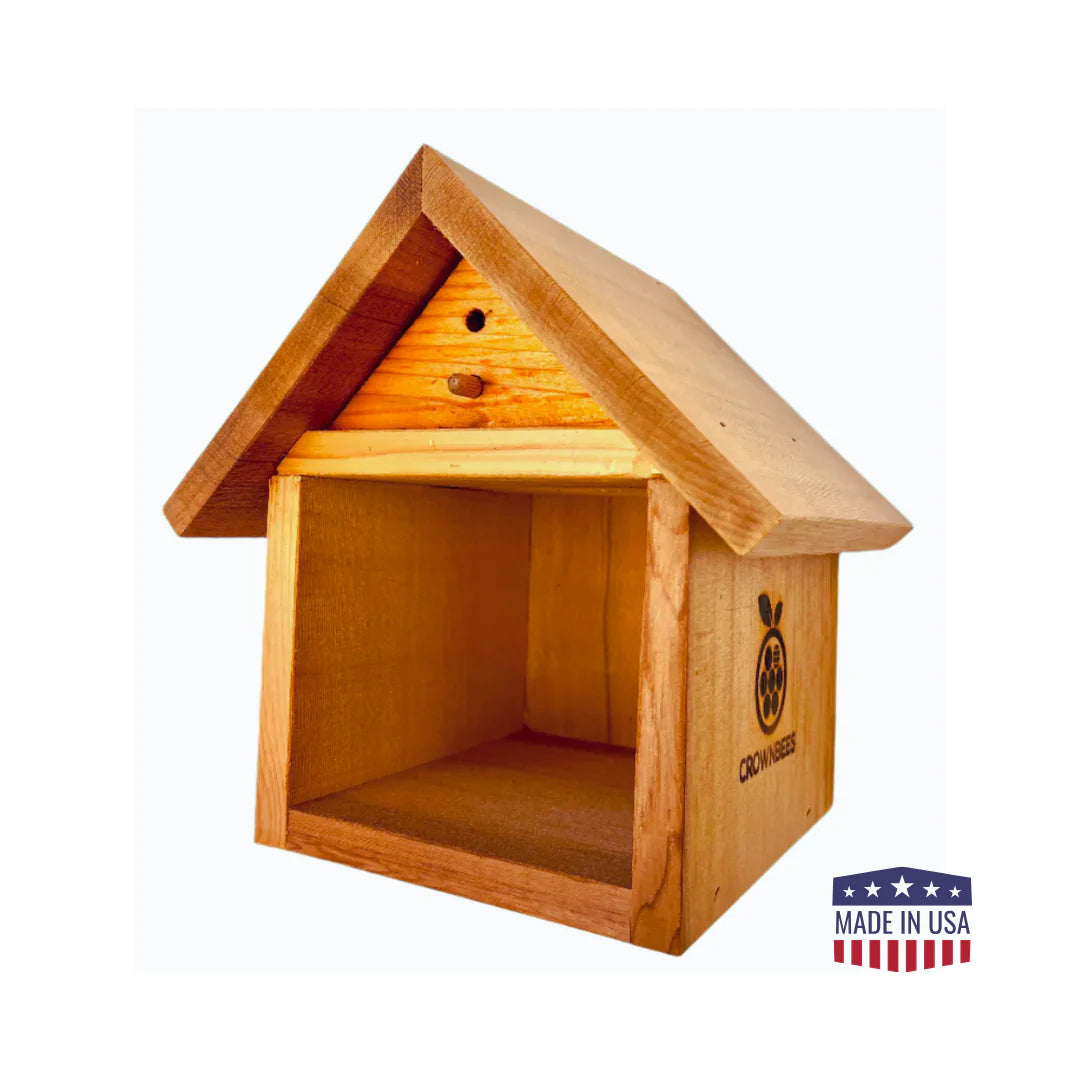
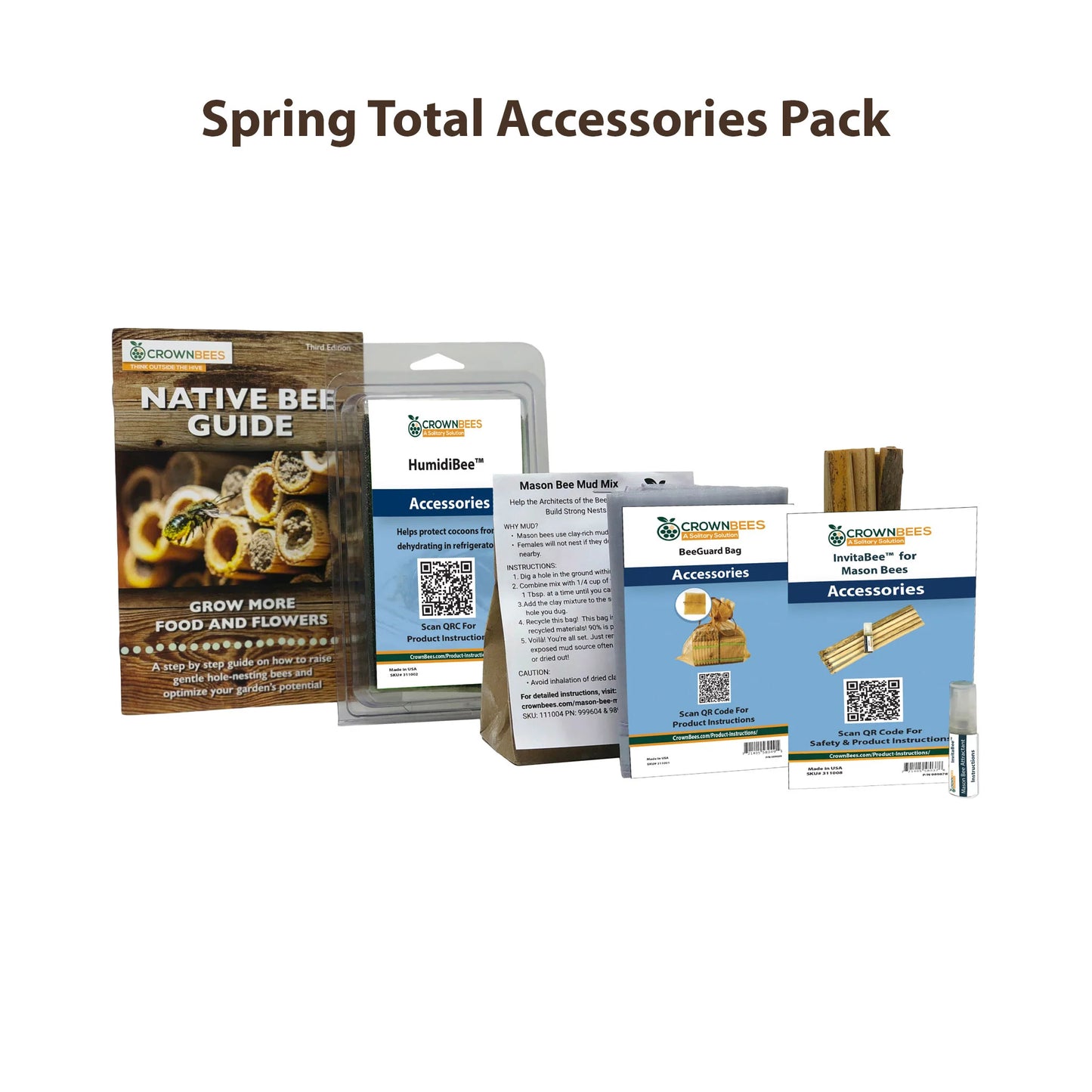
Your Build a Bee House Kit
This hands-on experience provides the critical components for a wild bee habitat. No experience is required—only a desire to share a small spot of your garden with a bee in need of a home.
- Sustainably sourced cedar frame — handcrafted in Western Washington
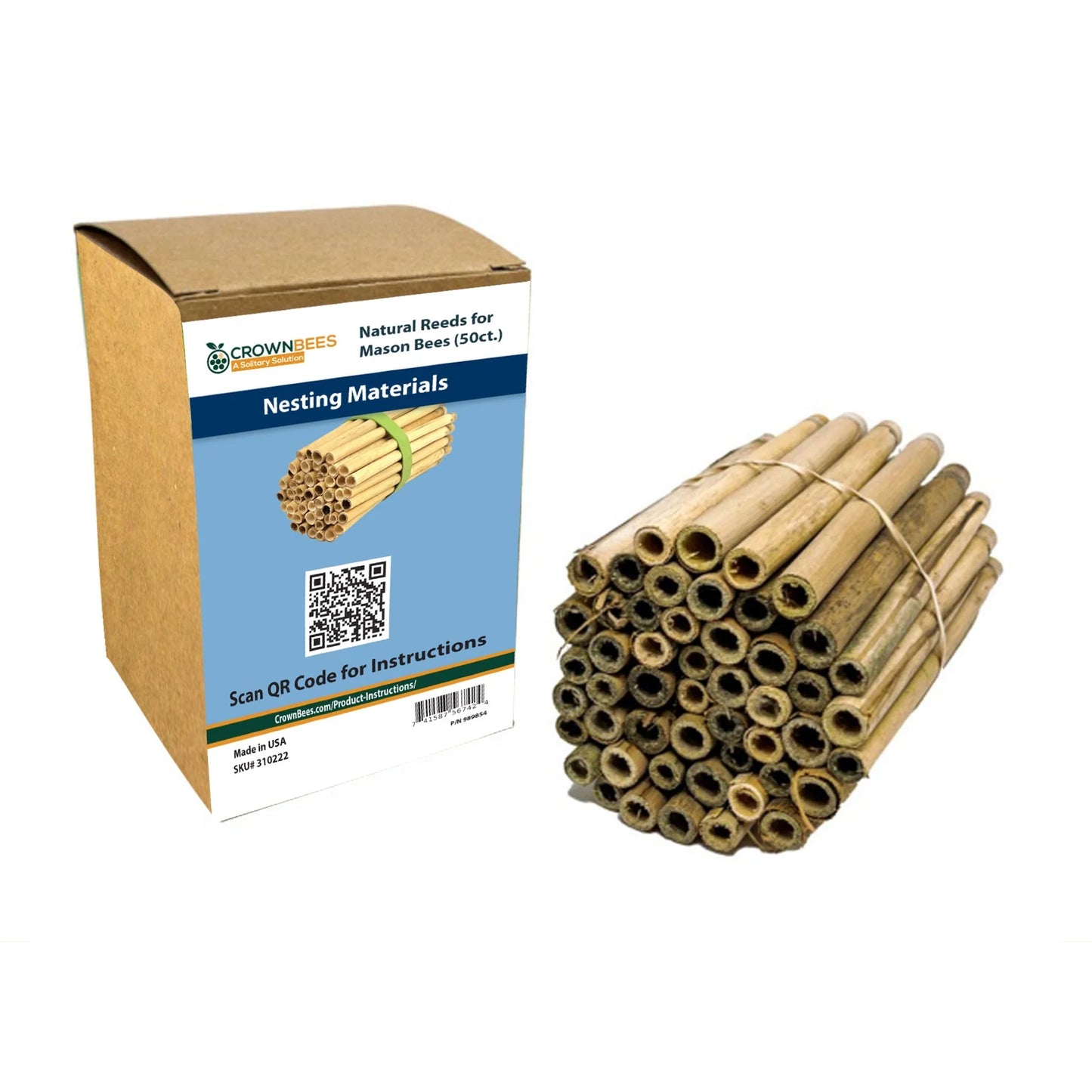
- Natural reeds — sized for many different species of wild bees
- Step-by-step assembly guide
- ProTips for best placement in your garden
Seasonal Care is Simple
Their lifecycle follows the seasons, and Crown Bees will support you with the knowledge needed throughout the year:
Spring: Set out bee houses when flowers bloom. Mason bees emerge when daytime temperatures hit approximately 55°F.
Summer: Leafcutter bees take center stage. Look for circular "cut-outs" on soft leaves—that's a sign they are nesting!
Fall/Winter: Bees begin their overwinter rest. We'll walk you through harvesting cocoons to protect next year's population.
Cox Teams: Join the Garden Party
Participation is flexible. You can engage at the level that fits your location and goals. Each bee house supports local pollinator populations.
Track & Share: Document your installation and capture photos to contribute to the Nature & Biodiversity workstream collective impact reporting.
Note: The kit is free when checking out with your Cox email (Limited to 1,000 kits).