



Wild Bee Education at Blank Park Zoo
Pollinator habitats come in all sizes—from school gardens and backyard spaces to large community areas. Every habitat plays a role in helping wild bees and other pollinators find the shelter, food, and nesting space they need.
Blank Park Zoo’s Plant.Grow.Fly. program has registered more than 1,700 pollinator gardens since 2014, proving that any space—pots, schoolyards, backyards, or prairie plots—can support pollinator conservation.
Discover Wild Bees Here
Wild bees do not make honey or live in large hives. They don’t have a queen to defend and rarely sting. Instead, they nest alone in hollow stems, reeds, and openable bee houses, making them safe to observe and perfect for learning environments.
There are more than 4,000 bee species in the United States. Many are solitary bees that pollinate native plants, gardens, farms, and natural landscapes—helping to keep ecosystems healthy.
Raising Wild Bees Is Easier Than You Think
Most wild bees don’t make honey or live in hives—and they don’t require gear or special equipment. All they need are safe nesting materials, flowers to forage, and pesticide-free spaces.
Families, schools, zoos, parks, and community programs can all help support pollinator conservation—right where they live and learn.
Fun fact: One Mason bee can pollinate as many flowers as 100 honey bees!
Why Wild Bees Matter
They pollinate more efficiently. Wild bees deposit pollen with nearly every flower visit, increasing crop and native plant pollination.
They support healthy ecosystems. Wild bees help plants grow, which protects soil, supports wildlife, and improves habitat diversity.
Wild bees are active for only part of the year. The rest of the time, they grow as larvae, form cocoons, and hibernate until spring or summer.
Here’s a look at the Mason bee lifecycle:

You Can Help!
You don’t need a large space to make an impact. Even a small garden, patio pot, or school nature project can support pollinators.
- Plant native flowers that bloom across seasons.
- Leave natural stems and leaf litter for nesting.
- Avoid pesticides and herbicides that harm bees.
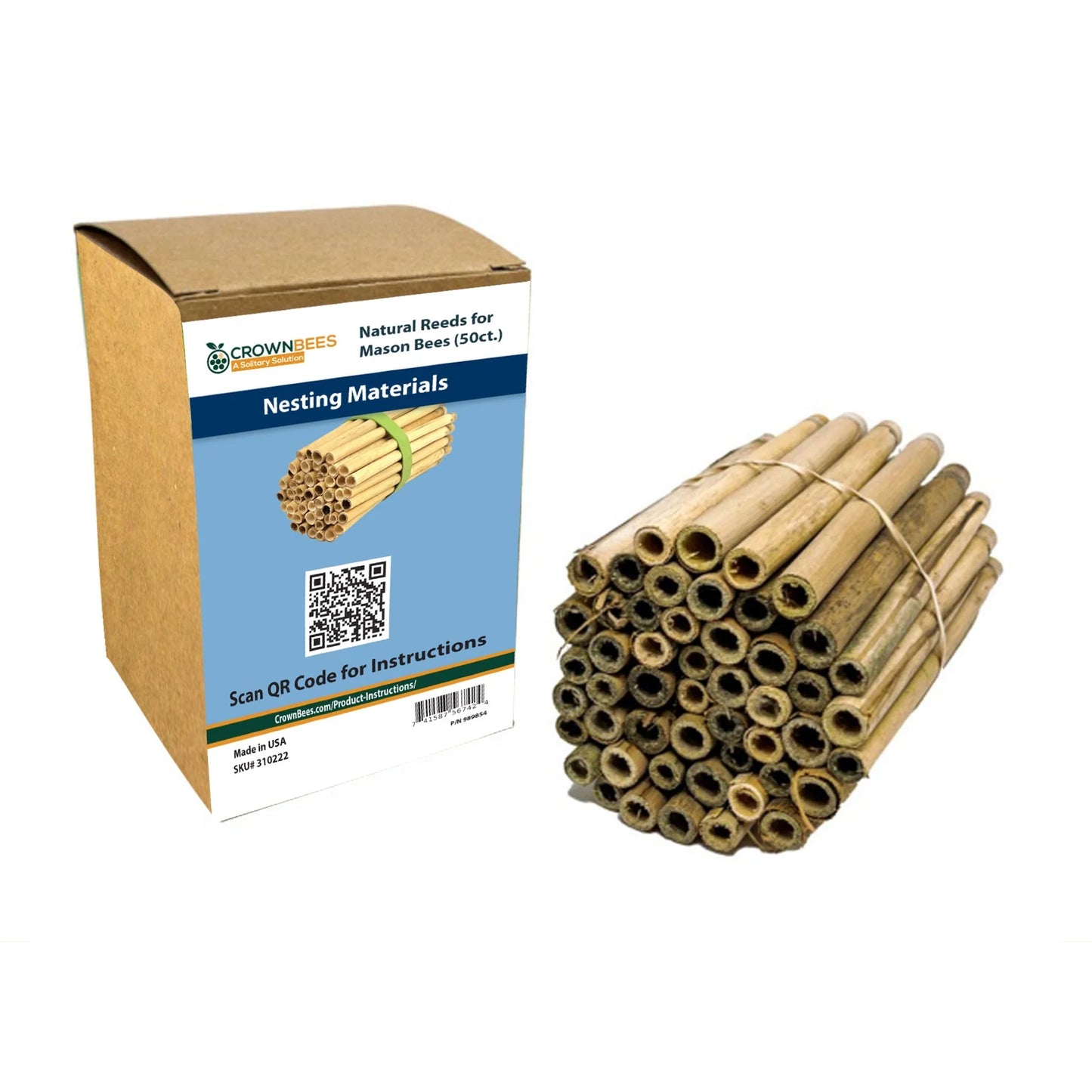
- Use openable nesting materials for safe annual cocoon care.
- Learn which bees live near you: Where the Wild Bees Are
About Blank Park Zoo & Plant.Grow.Fly.
Blank Park Zoo is Iowa’s only accredited zoo and is committed to saving animals in the wild through education, conservation, research, and recreation. Its Plant.Grow.Fly. program engages communities in planting native pollinator gardens and registering them as part of a regional conservation effort.
Since 2014, more than 1,700 gardens have been registered, demonstrating that pollinator conservation can happen anywhere—from container gardens and schoolyards to city parks and prairie restorations.
Support Wild Bees with Purpose-Built Habitats
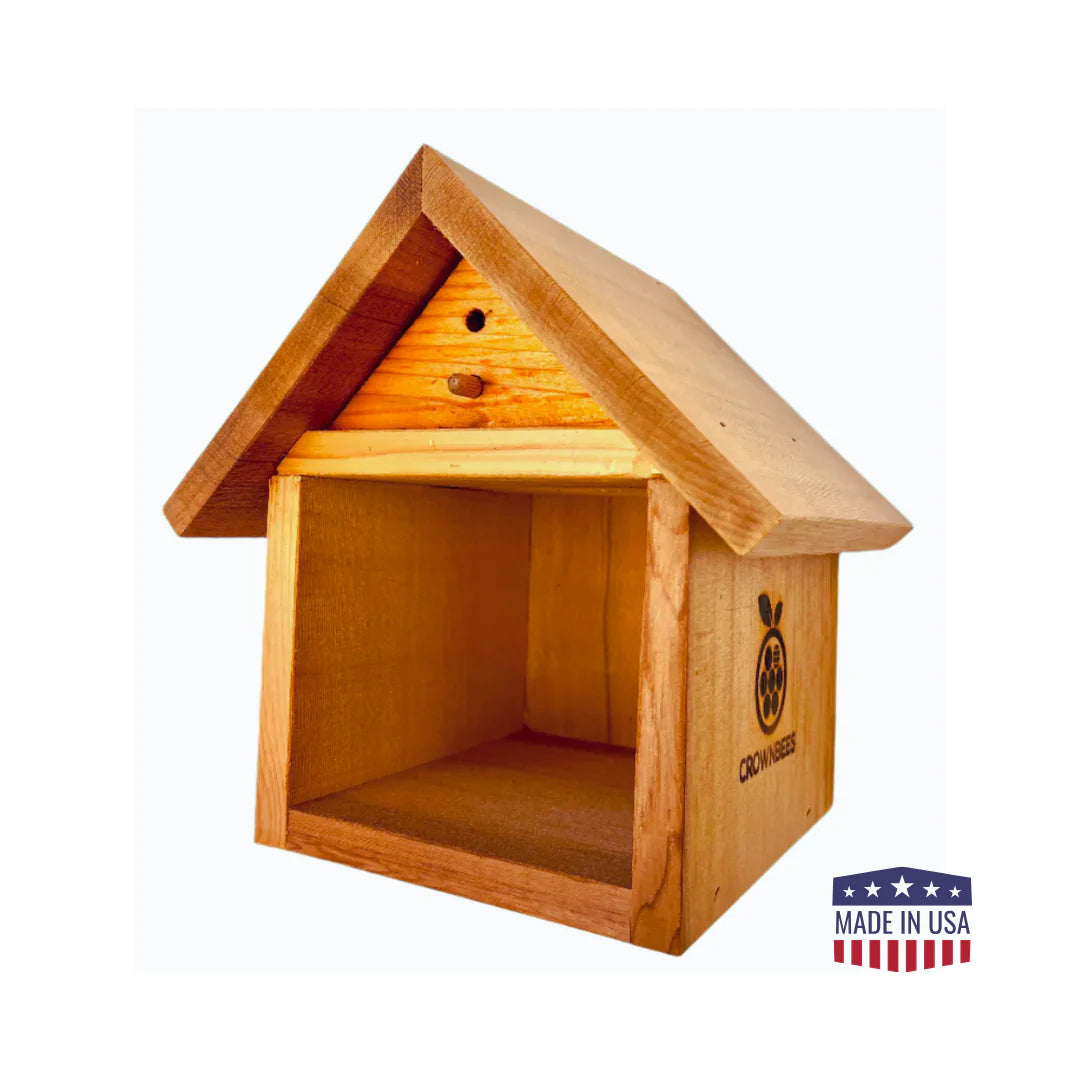
Bee houses provide long-term habitat for wild bees and allow schools, parks, and conservation partners to observe, learn, and participate in healthy stewardship.

Rewild Refuge Bee House
Perfect for schools, parks, and public education spaces that support observation, habitat learning, and long-term stewardship. Shop Rewild Refuge here.

DIY Build a Bee House
Great for classrooms, summer camps, scout projects, and family learning. Build, place, observe, and support wild bees. Shop DIY Bee House here.
About Crown Bees: Based in Washington state, Crown Bees partners with zoos, parks, gardens, schools, and conservation groups to raise awareness and provide science-based tools for supporting wild, cavity-nesting bees. We’re buzzing to be collaborating on this pollinator project.
We’re Here to Help You BEE Successful
- Getting Started Guide
- BeeMail Newsletter
- If you have direct questions, email info@crownbees.com