


Wild Bee Education at Dothan Area Botanical Gardens


The Dothan Area Botanical Gardens offers a peaceful oasis of inspiration and learning in Alabama. Designed to feature natural spaces where native plants, birds, and pollinators can thrive, the gardens engage visitors of all ages in exploring the region’s ecology.
Here, plants native to the southeastern U.S. are paired with habitat planning to offer a place for both leisure and education. Along garden paths and quiet seating areas, visitors may notice wild bees quietly working—pollinating flowers, supporting biodiversity, and connecting the natural world to our daily lives.
Discover Wild Bees Here
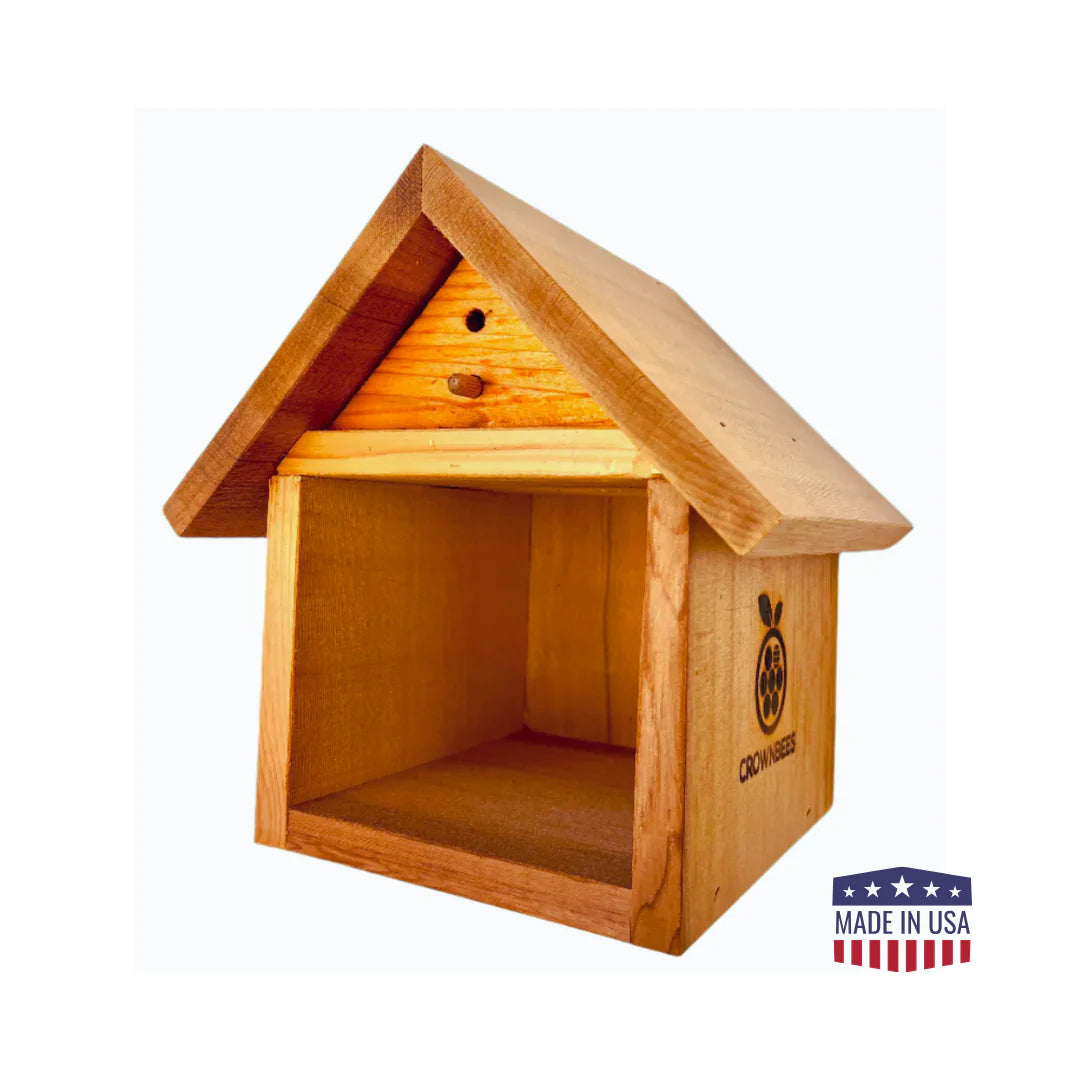
The bees in this house do not make honey or live in hives. They don't have a queen to protect and have little reason to sting. They are peaceful to observe, safe around students, families, and garden trails, and fun to watch as they belly flop from flower to flower.
There are over 20,000 bee species in the world, and more than 4,000 live in the United States. Most are wild bees that nest alone in hollow stems, abandoned tunnels, and bee houses like this one.
Why Wild Bees Matter
They pollinate more efficiently. Many wild bees carry pollen loosely on their bellies and brush against every part of the flower. Nearly every visit results in pollination.
They support healthy landscapes. Wild bees help pollinate native flowers, gardens, farms, forests, and meadows, supporting food crops and habitat for birds, butterflies, and wildlife.
They fill pollination gaps. Wild bees are not affected by many of the pests and diseases that challenge honeybees, making them valuable partners in nature and agriculture.
They are perfect backyard neighbors. Mason bees and Summer Leaf bees are gentle, easy to host, and can increase pollination in gardens and natural areas.
Wild bees are active for only a few weeks each year. The rest of the time, they grow into larvae, spin cocoons, develop into adults, and hibernate until spring or summer.
Here is an example of the Mason bee lifecycle:

You Can Help!
You will not get honey from wild bees, but you will enjoy healthier gardens, more flowers and fruit, and stronger ecosystems that support birds, butterflies, and wildlife.
- Plant native flowers that bloom in different seasons to support bees all year.
- Leave natural areas for nesting insects by mowing less and keeping stems, grasses, and leaf litter.
- Avoid pesticides and herbicides that harm bees and reduce nesting habitat.
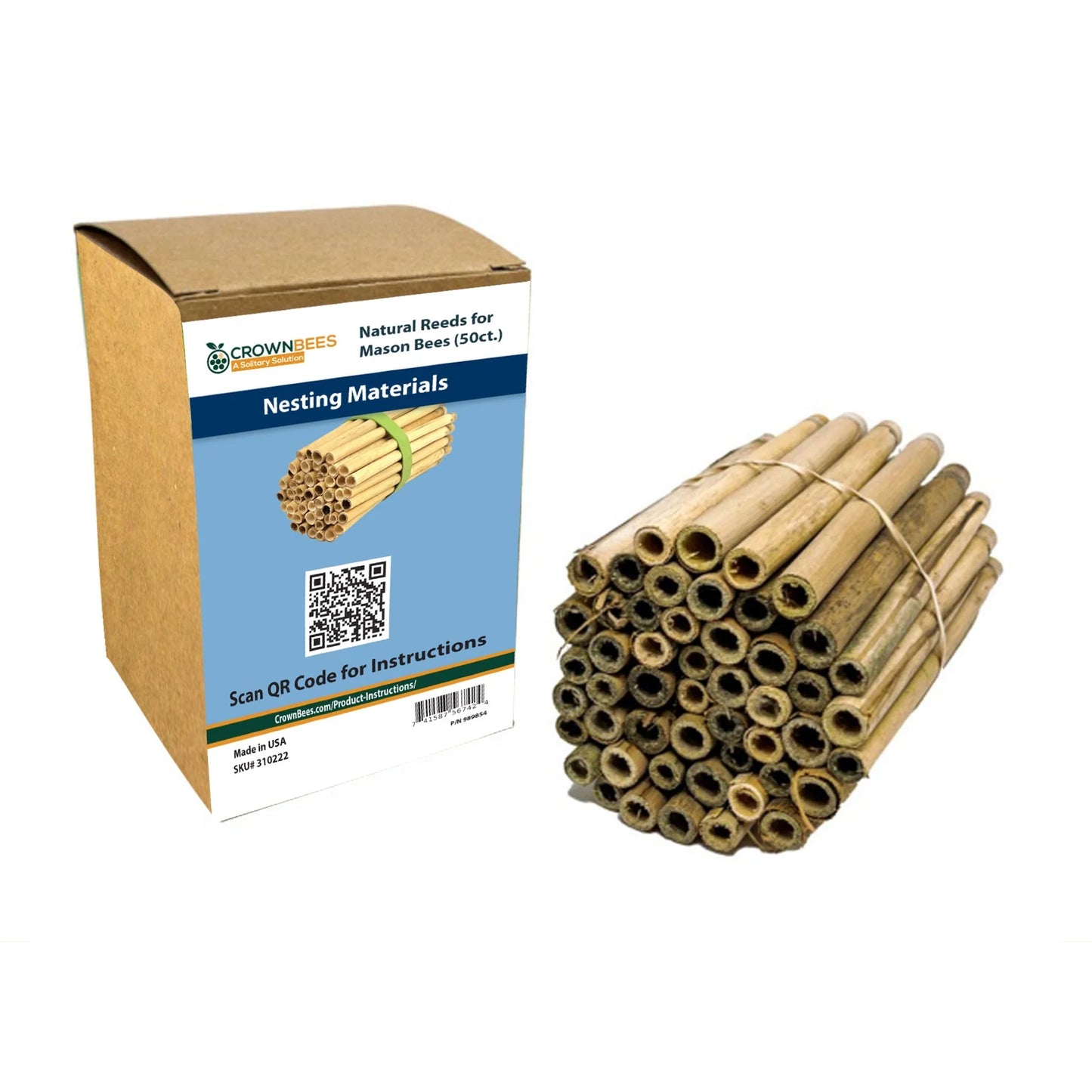
- Use openable nesting tubes to keep bee houses healthy year after year.
- Explore the Guide to Rewilding: Guide to Rewilding
- See which bees live near you: Where the Wild Bees Are
We’re Here to Help
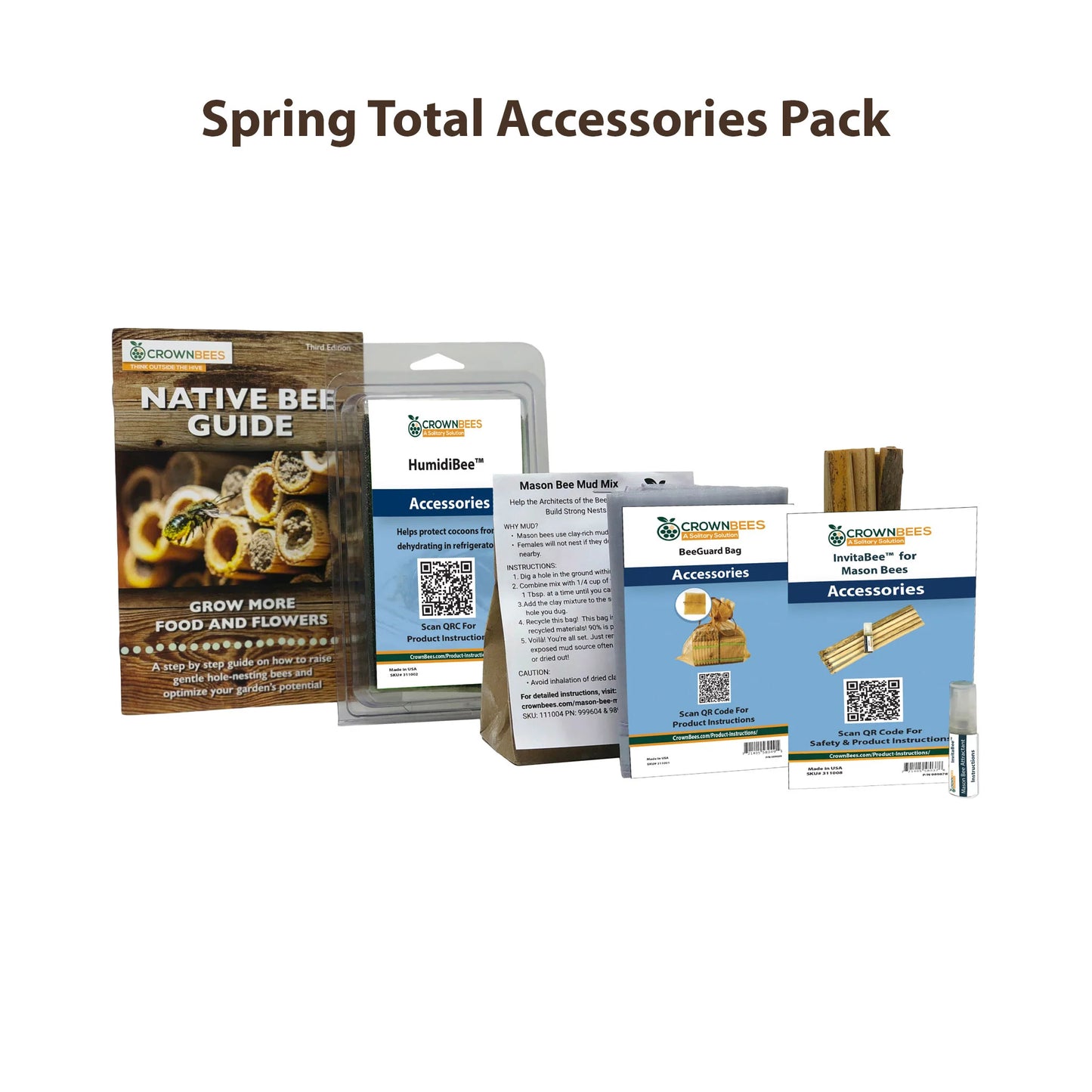
Crown Bees helps families, educators, gardeners, and nature centers successfully host wild bees. Explore our free resources:
- Visit our Bee Knowledge Center
- Check out our Getting Started Guide
- Sign up for our BeeMail Newsletter for bi-monthly tips and reminders