


From Concept to Creation
While this exact design is no longer available, our bee houses are still made in the USA using sustainably-sourced Pacific Northwest cedar.
Looking for a current bee house? Scroll down for links to our latest USA-made cedar options and the nesting materials that work best.

Original Cabin concept — Anna Malakhova
The story behind The Cabin
There is a story behind every product launch, and the story behind The Cabin is one we still love to share. In 2019, our small team began brainstorming a fresh bee house design. After a few rough sketches, we decided to try a new approach.
The concept
We partnered with a class at Northwest College of Art & Design (NCAD). Dave Hunter, founder of Crown Bees, first taught the class about solitary bees: what they need to survive, what bee-safe nesting materials look like, and the features we wanted to include.
To give students real-world experience, we invited them to submit design proposals. The winning design would be built and sold through Crown Bees. 3D design student Anna Malakhova created the winning concept.

Final proposal — Anna Malakhova
Anna shared that her inspiration came from the cozy nostalgia of her childhood cabin. She hoped to bring a rustic, nature-forward feel to the design while making bee raising approachable and enjoyable.
Thank you, Anna. We’re grateful for your thoughtful design and for contributing your talent to a meaningful environmental cause.

Anna Malakhova with The Cabin
Cabin features (for current owners)
The Cabin was designed to be configurable so you could use the nesting materials that fit your goals and your space.
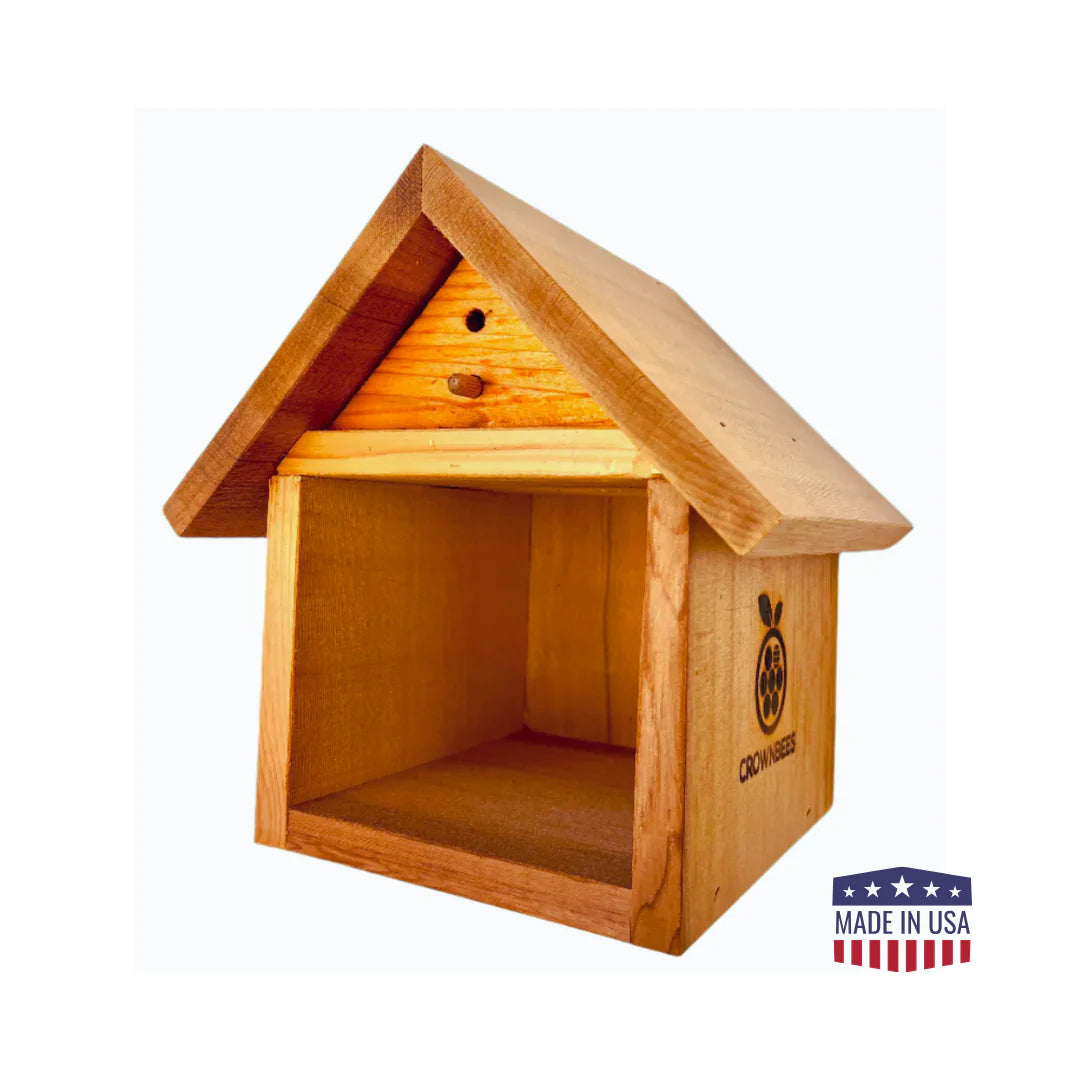
- Twin “attic” drawers to help keep cocoons more protected from sun, wind, rain, and predators.
- Removable center section to customize for different nesting styles.
- Configurable capacity (approximate): up to 130 BeeTubes, 130 BeeTubes with Inserts, 110 large natural reeds, a 48-hole Spring Mason Bee wood tray, or a 78-hole Summer Leaf Bee wood tray.
Note: The Cabin was produced in a different wood than our current cedar houses. Today, our bee houses are made in the USA from sustainably-sourced Pacific Northwest cedar.
If you have this house, here’s how to keep it bee-safe
1) Use removable nesting materials
The easiest way to support healthy bees year after year is to use nesting materials you can remove and replace. Natural reeds, paper inserts, and wood trays make it much easier to manage pests and reduce disease pressure.
2) Keep it dry and stable
Mount the house securely, in morning sun, and under some protection from heavy rain if possible. Moisture is one of the biggest problems in bee raising.
3) Protect cocoons in the off-season
When it’s time to harvest or store cocoons, keep them protected from heat, humidity swings, and predators. Your drawers can help with day-to-day protection, but long-term storage is best in controlled conditions.
What nesting materials work well in The Cabin
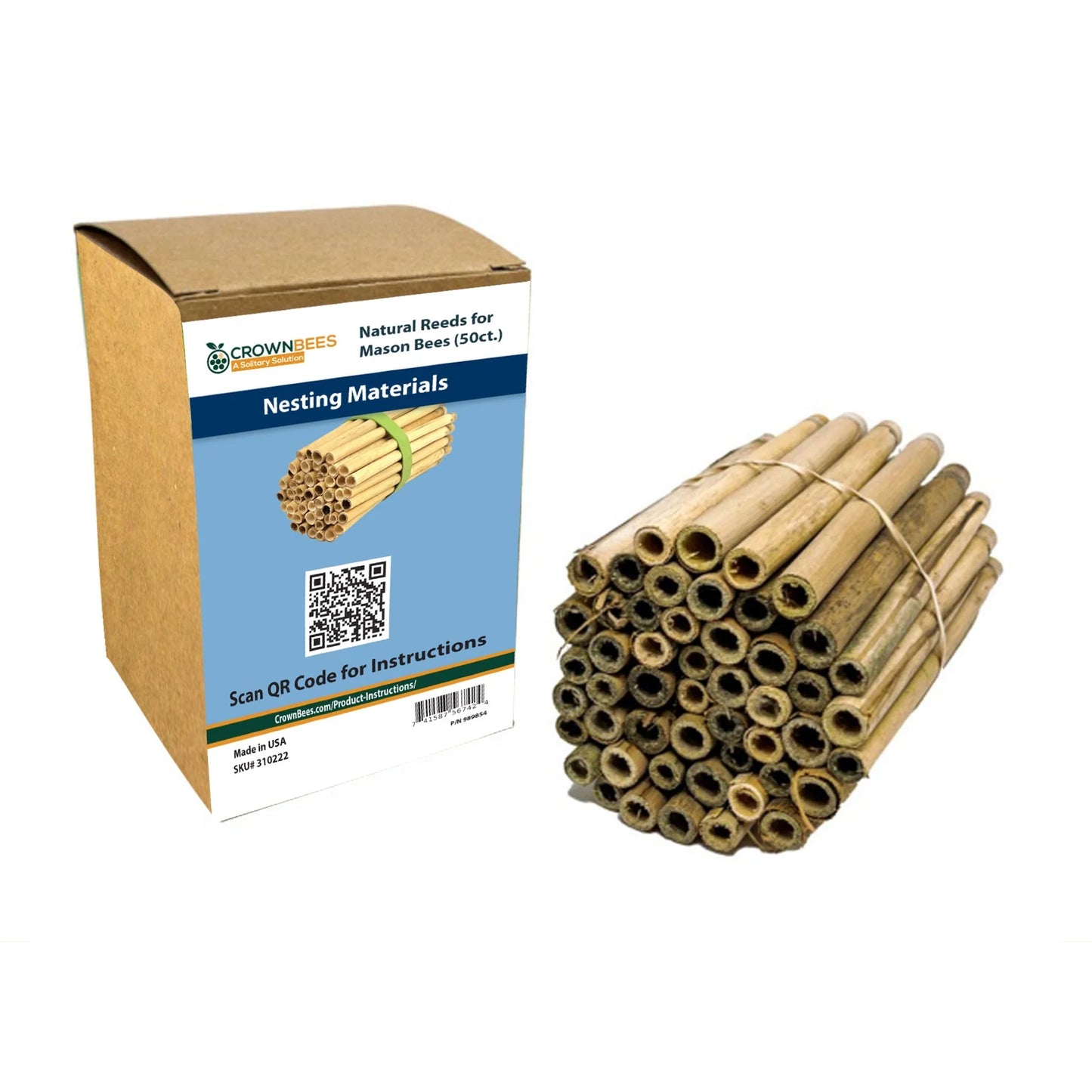
- Natural reeds (removable, breathable, bee-friendly)
- Paper tubes and inserts (easy annual replacement)
- Wood trays (easy to open, monitor, and harvest)